
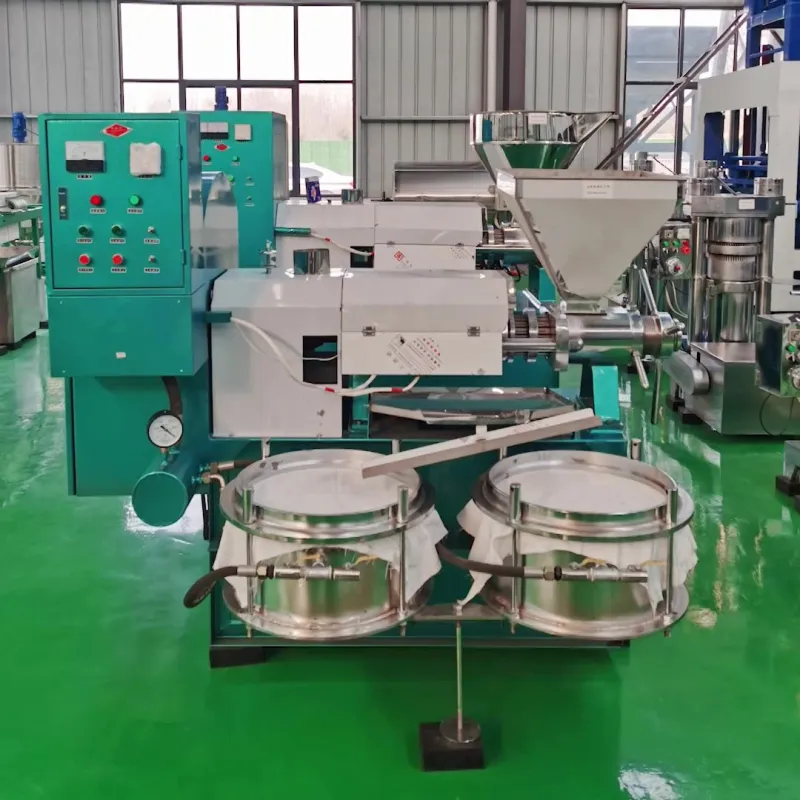
If you're running an agricultural cooperative or a small oilseed processing facility, choosing the right peanut oil press isn't just about buying equipment—it's about securing your long-term profitability and sustainability.
Before making any purchase, evaluate these three core metrics:
For example, one farmer in Nigeria reported saving $1,200/year after upgrading from a basic screw press to our energy-efficient model—just by reducing downtime and improving yield consistency.
If you’re part of an agricultural cooperative, prioritize modular designs that allow seasonal scaling—like our 1,500 kg/hour unit with interchangeable plates. It’s perfect for handling variable harvest volumes across different regions.
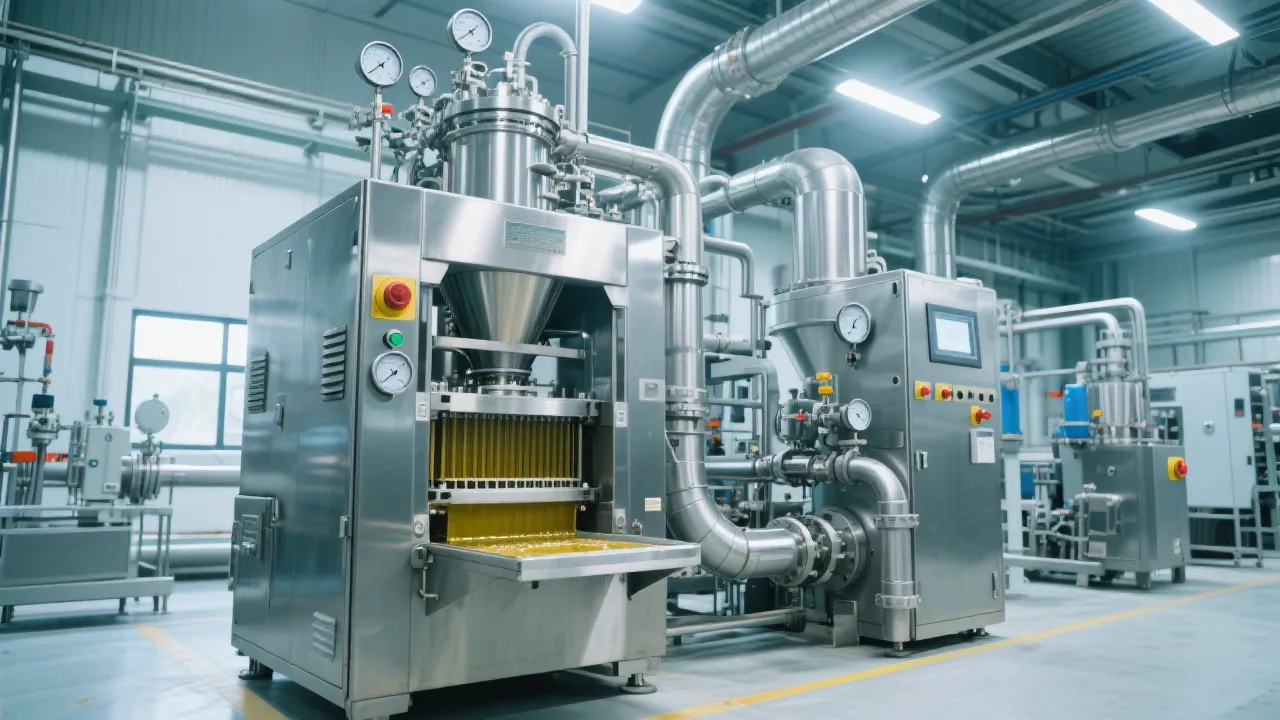
For small to mid-sized refineries, focus on automation features such as automatic feeding systems and digital pressure monitoring. These cut labor costs by up to 25% while boosting safety and output quality.
Most failures happen not from wear but from poor maintenance. Here’s how to stay ahead:
| Maintenance Task | Frequency | Impact |
|---|---|---|
| Check hydraulic oil level | Weekly | Prevents overheating and pump damage |
| Clean filter screen | Monthly | Ensures steady flow and prevents clogging |
| Inspect bearing condition | Quarterly | Avoids vibration-related breakdowns |
Pro tip: Keep a simple logbook—even handwritten entries help identify patterns before they become costly issues.
We don’t just sell machines—we build partnerships. Our support includes:
A group of women farmers in Ghana upgraded their old press last year using our financing plan. They now produce 15% more oil per batch and have doubled their income in six months—with zero major repairs so far.
Discover how we helped a cooperative in Kenya increase throughput by 40% while cutting energy use by 28%.
Click to Learn How We Helped African Clients Scale Up 145
|
145
|
 Peanut oil press energy-saving technology
Low-energy oil extraction equipment
Agricultural cooperative oil extraction solutions
Oil mill energy-saving transformation
Intelligent press control system
198
|
Peanut oil press intelligent control system
Large - scale press automation control
Intelligent press remote operation and maintenance
ISO9001 press equipment control
Energy - efficient oil extraction equipment
95
|
intelligent control system for peanut oil press
automated oil extraction machine
remote maintenance for industrial equipment
power failure recovery in food processing
high humidity industrial automation
42
|
peanut oil press energy efficiency
small scale oil mill upgrades
intelligent oil pressing technology
oil extraction rate improvement
agricultural cooperative machinery
247
|
peanut oil press selection
energy-saving oil press maintenance
high-efficiency oil press tips
oil press troubleshooting
intelligent oil press care
Peanut oil press energy-saving technology
Low-energy oil extraction equipment
Agricultural cooperative oil extraction solutions
Oil mill energy-saving transformation
Intelligent press control system
198
|
Peanut oil press intelligent control system
Large - scale press automation control
Intelligent press remote operation and maintenance
ISO9001 press equipment control
Energy - efficient oil extraction equipment
95
|
intelligent control system for peanut oil press
automated oil extraction machine
remote maintenance for industrial equipment
power failure recovery in food processing
high humidity industrial automation
42
|
peanut oil press energy efficiency
small scale oil mill upgrades
intelligent oil pressing technology
oil extraction rate improvement
agricultural cooperative machinery
247
|
peanut oil press selection
energy-saving oil press maintenance
high-efficiency oil press tips
oil press troubleshooting
intelligent oil press care










.jpg?x-oss-process=image/resize,m_fill,h_800,w_800/format,webp)

