
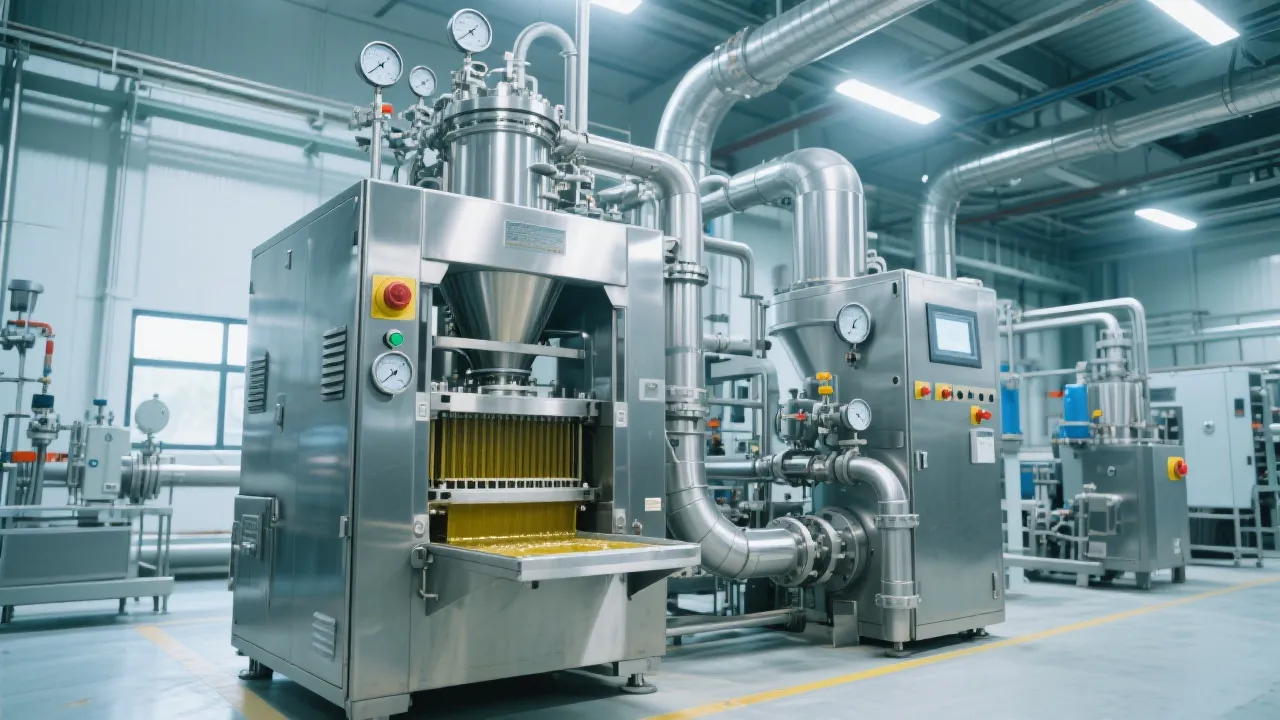
In the global market, agricultural cooperatives and small - to - medium - sized oil mills are constantly seeking high - efficiency and energy - saving peanut oil presses to enhance production efficiency and reduce costs. This guide aims to provide detailed information on how to select and maintain these machines.
When choosing a peanut oil press, several key technical parameters need to be considered. Firstly, the processing capacity per hour is crucial. For small - scale agricultural cooperatives with a daily production of around 500 - 1000 kilograms of peanuts, a press with a processing capacity of 50 - 100 kilograms per hour would be suitable. Larger oil mills with a daily output of over 5000 kilograms may require a press with a capacity of 200 - 300 kilograms per hour.
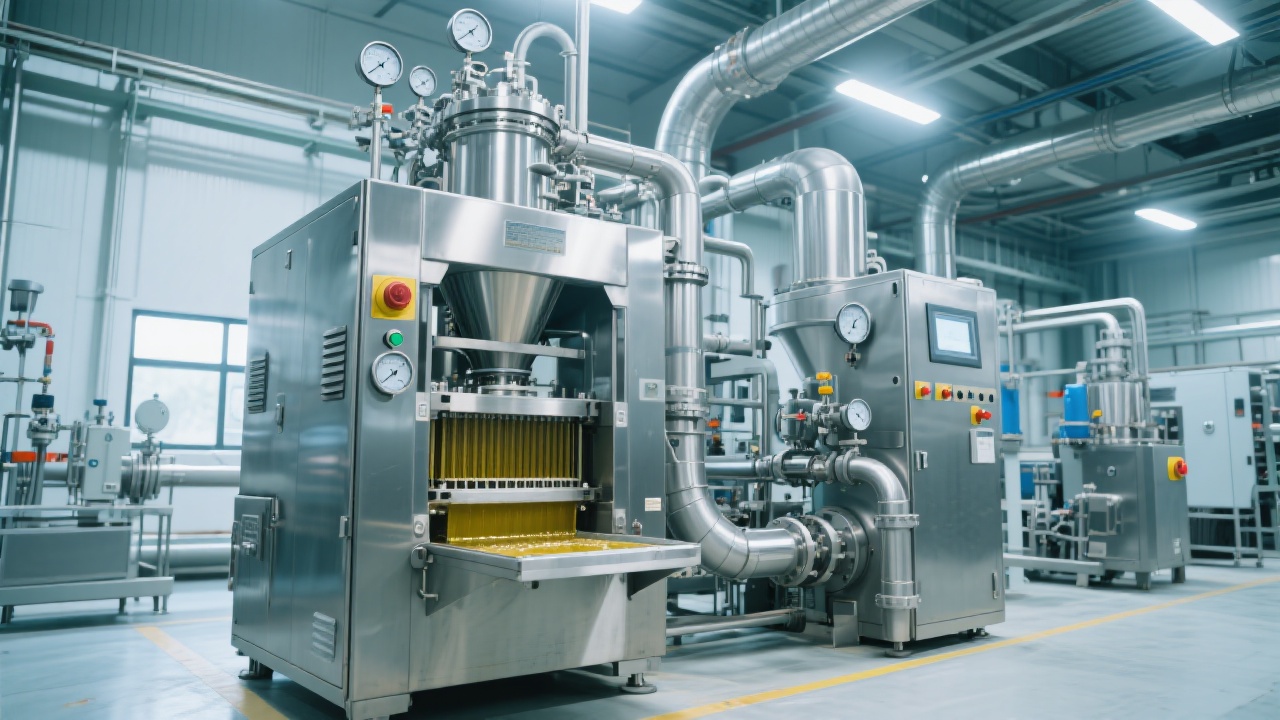
The oil yield is another important factor. Modern high - efficiency presses can achieve an oil yield of up to 45% - 50%, which significantly increases the economic benefits for producers. Moreover, the structural durability of the press ensures long - term stable operation. High - quality materials and advanced manufacturing processes can extend the service life of the equipment to more than 10 years.
Energy - saving is a major concern in today's manufacturing industry. Our peanut oil presses are designed with advanced energy - saving technologies, which can reduce energy consumption by 20% - 30% compared to traditional models. These presses also meet international quality standards, such as ISO 9001, ensuring reliable performance and safety.
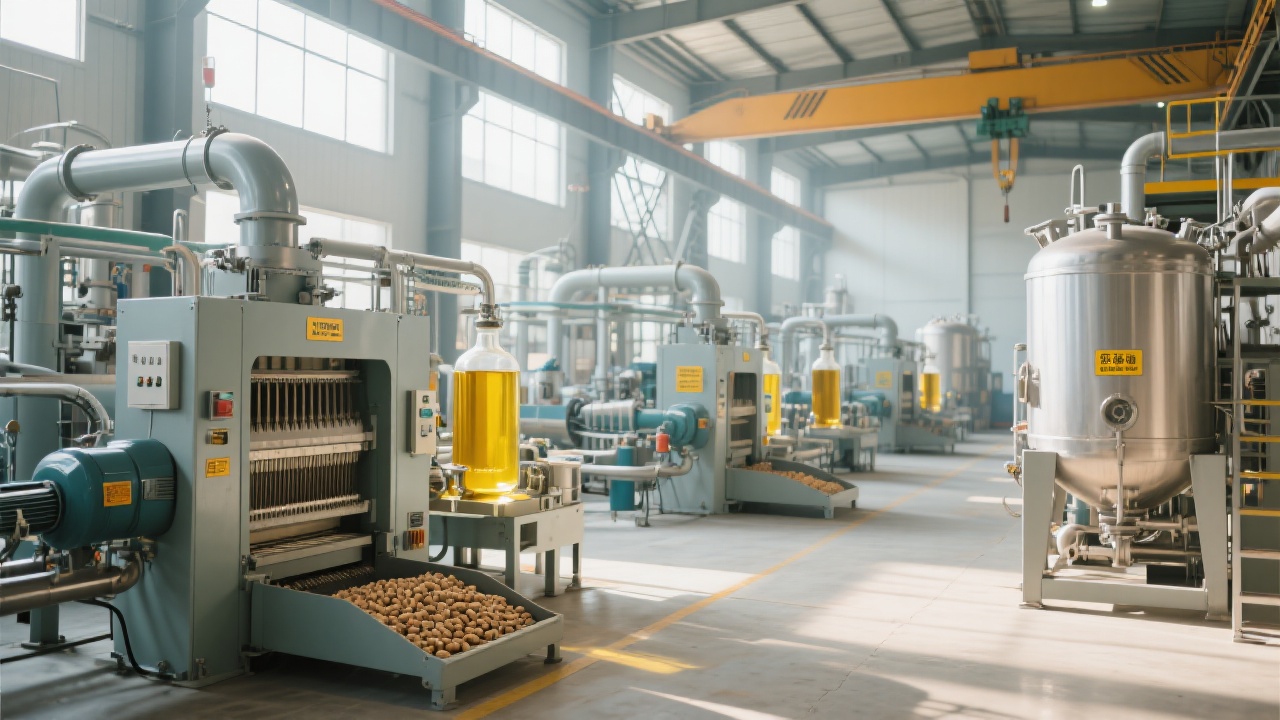
Here is a comparison table of energy consumption between traditional and our energy - saving peanut oil presses:
| Press Type | Energy Consumption per Hour (kWh) |
|---|---|
| Traditional Press | 15 - 20 |
| Our Energy - Saving Press | 10 - 15 |
For different production scales and environmental factors, specific selection strategies should be adopted. Small - scale producers may focus on the compact size and low cost of the press, while large - scale oil mills need to consider high - speed processing and automation. For example, in regions with limited power supply, energy - saving models are more suitable.
Regular maintenance is essential for the stable operation of peanut oil presses. Daily maintenance includes cleaning the machine, checking the lubrication system, and inspecting the electrical components. Common故障排查技巧 include observing abnormal noises, vibrations, and oil leakage. Our professional technical support team can provide 24/7 assistance to solve any problems you may encounter.
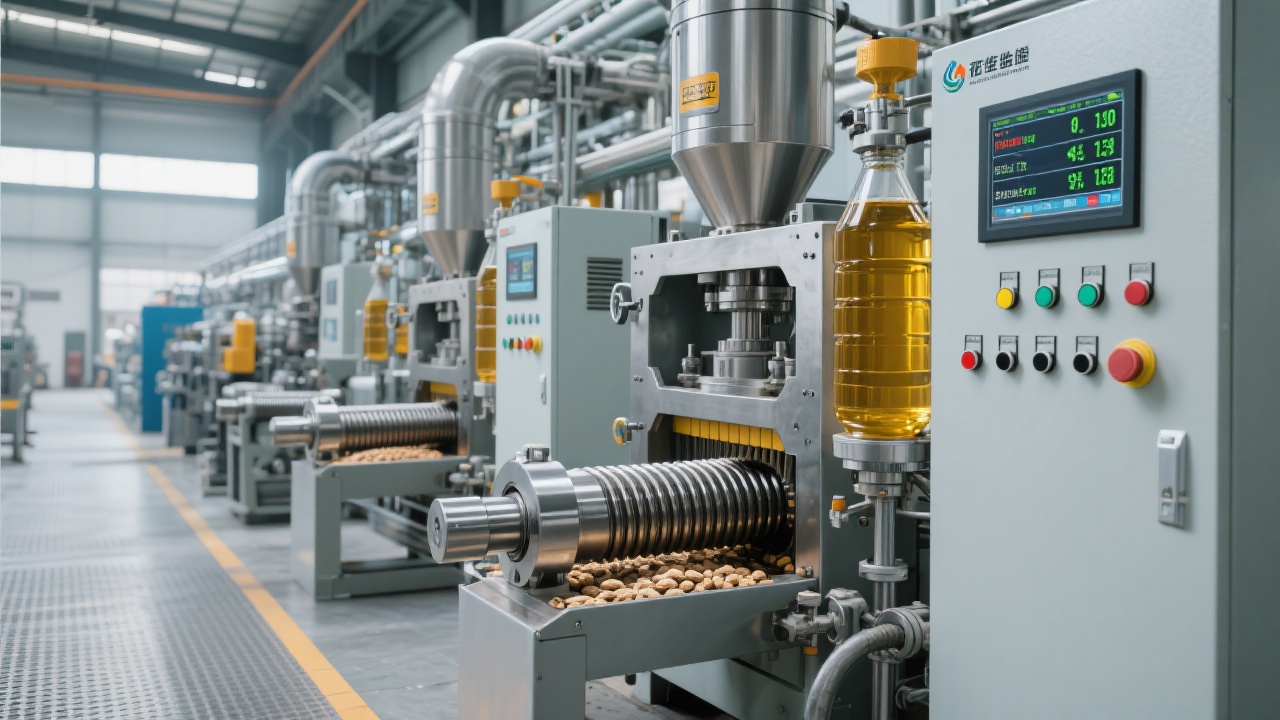
We understand that you may have many questions about peanut oil presses. Here is an interactive Q&A section to address your concerns. If you have any other questions, please feel free to leave a message, and our experts will reply to you as soon as possible.
Our high - efficiency energy - saving peanut oil presses can bring you significant benefits. Click the button below to learn more about our products and professional technical support.
Explore Our Peanut Oil Presses Now




.jpg?x-oss-process=image/resize,m_fill,h_800,w_800/format,webp)
.jpg?x-oss-process=image/resize,m_fill,h_800,w_800/format,webp)
