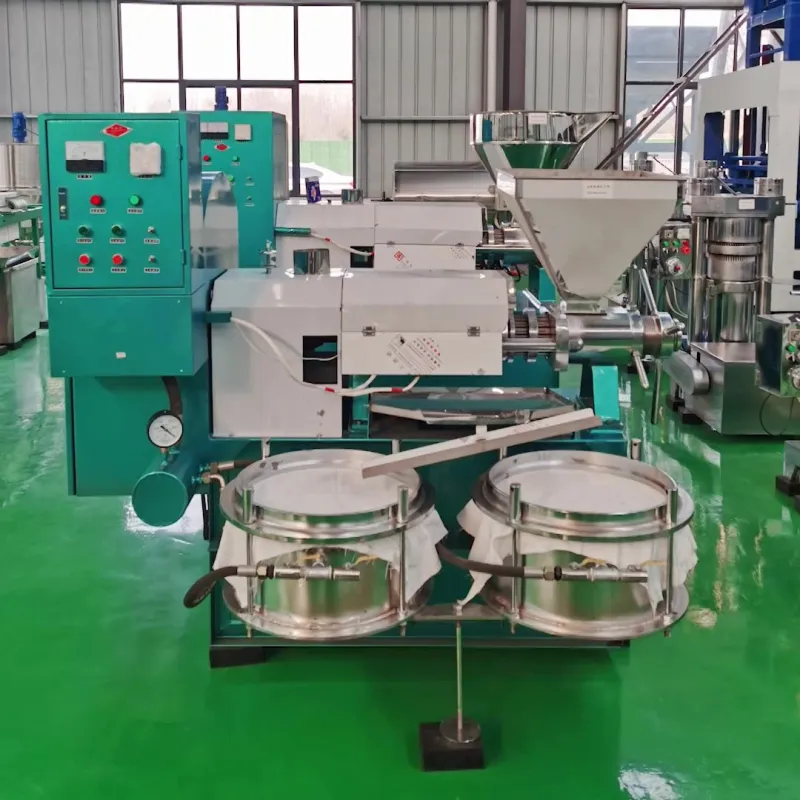
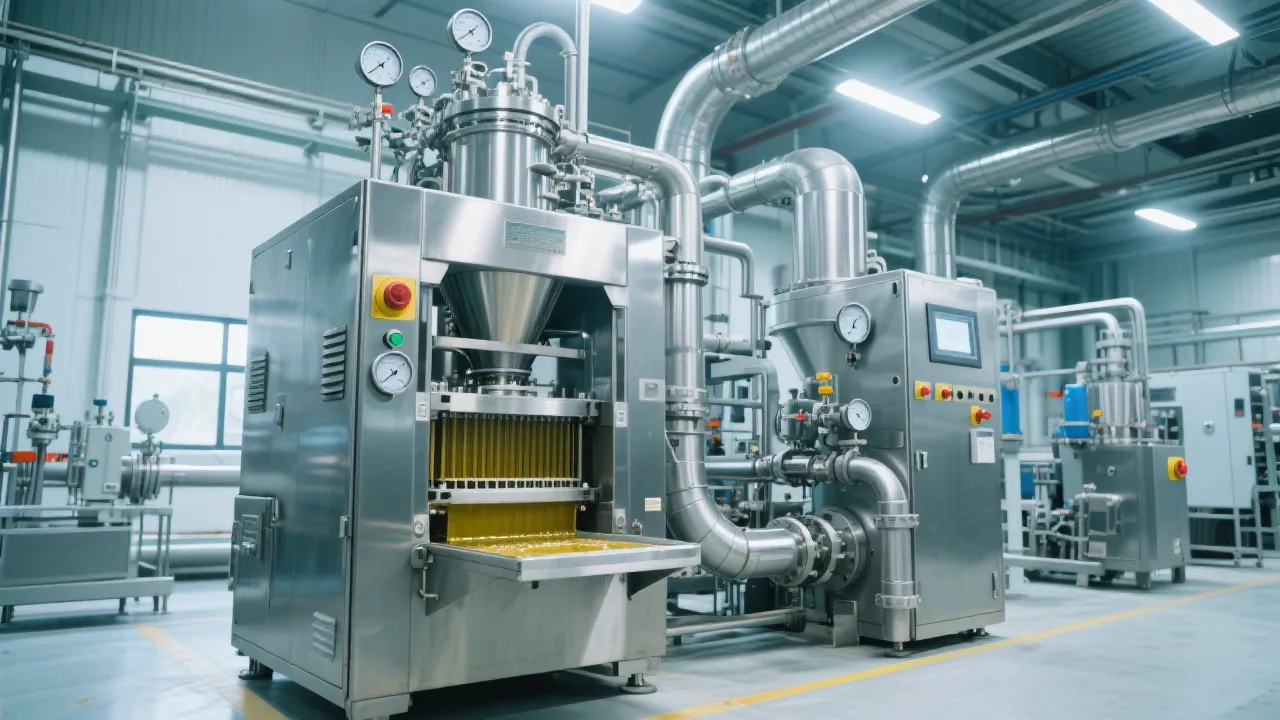
In the agricultural and food processing industries, peanut oil presses are essential equipment. For agricultural cooperatives and small to medium-sized oil mills, selecting the right peanut oil press can be a game - changer. This article aims to help these entities make informed decisions when choosing high - efficiency and energy - saving peanut oil presses.
1. **Processing Capacity**: The processing capacity of a peanut oil press is measured in kilograms per hour. For small - scale agricultural cooperatives with a daily production of around 1 - 2 tons of peanut oil, a press with a processing capacity of 50 - 100 kg/h might be sufficient. Larger medium - sized oil mills with a daily output of 5 - 10 tons would require presses with a processing capacity of 200 - 500 kg/h. It's crucial to match the processing capacity with the actual production scale to ensure smooth operations.
2. **Oil Yield**: The oil yield is a critical factor. High - quality peanut oil presses can achieve an oil yield of 40% - 45%. A higher oil yield means more profit for the producer. For example, if a mill processes 1000 kg of peanuts, a press with a 45% oil yield will produce 450 kg of oil, while one with a 40% yield will only produce 400 kg.
3. **Energy Efficiency**: Energy - saving is not only environmentally friendly but also cost - effective. Modern peanut oil presses are designed with advanced technologies. Some advanced models can reduce energy consumption by up to 30% compared to traditional ones. This translates into significant savings on electricity bills over time.
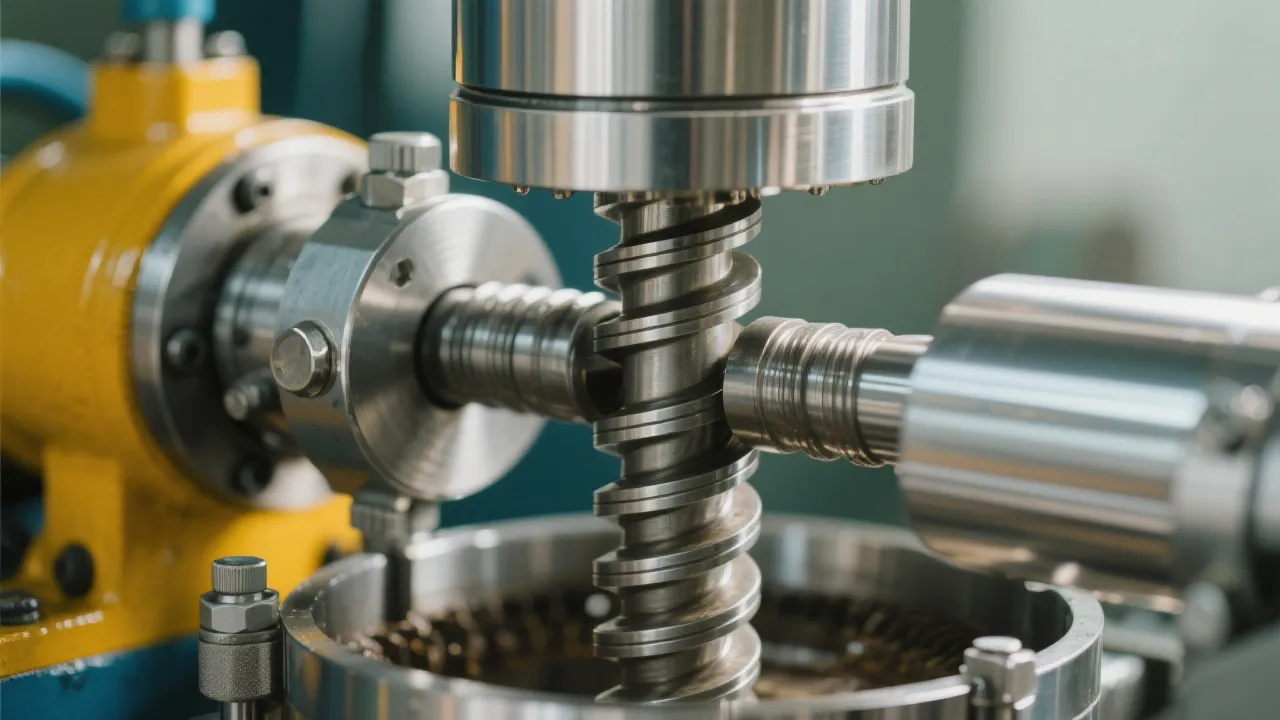
4. **Durability**: The durability of the press is determined by its structure and the quality of materials used. Presses with high - strength steel frames and wear - resistant components can have a service life of 10 - 15 years. This long - term investment can save replacement costs for businesses.
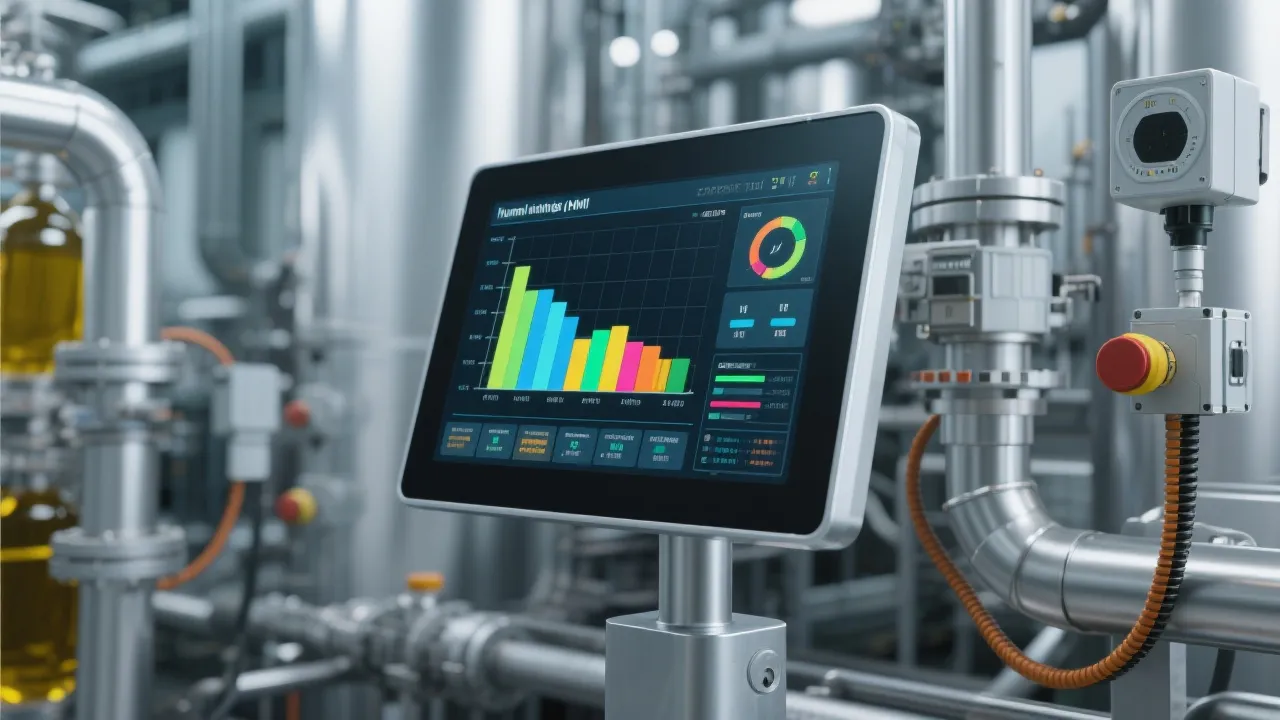
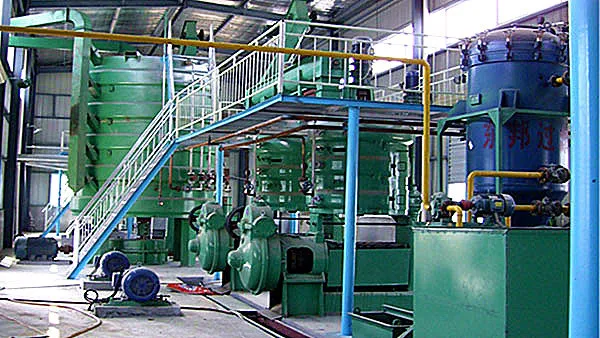
When selecting a peanut oil press, it's essential to consider the production scale. For small - scale operations, a simple and compact press might be the best choice. These presses are usually more affordable and easier to operate. On the other hand, medium - sized oil mills need more advanced and high - capacity presses to meet their production demands. They should also look for presses with intelligent control systems that can improve production efficiency and reduce labor costs.
Regular maintenance is crucial for the long - term performance of peanut oil presses. This includes cleaning the press after each use, lubricating moving parts, and checking for any signs of wear or damage. In case of a breakdown, a professional troubleshooting process should be followed. Our company provides comprehensive technical support services, with a response time of less than 24 hours and on - site repair services within 48 - 72 hours in most regions.
We've prepared some common questions asked by our customers:
Our peanut oil presses are designed to meet the highest international standards, offering excellent performance, energy - saving features, and long - term durability. If you're looking to upgrade your oil production equipment, click the button below to learn more.
Explore Our Peanut Oil Presses 100
|
100
|
 peanut oil expeller energy saving
intelligent control system for oil press
energy consumption reduction in oil processing
oil yield improvement technology
green production equipment
345
|
peanut oil press selection
energy-efficient oil press maintenance
oil press technical parameters
high-efficiency oil extraction equipment
intelligent oil mill solutions
198
|
Peanut oil press intelligent control system
Large - scale press automation control
Intelligent press remote operation and maintenance
ISO9001 press equipment control
Energy - efficient oil extraction equipment
117
|
Low-energy-consumption peanut oil press
Intelligent control system
Adaptability to high-temperature and high-humidity environments
ISO9001 quality standard
African and Southeast Asian market cases
152
|
energy-efficient peanut oil press
agricultural cooperative sustainability
green compliance in oil processing
smart oil extraction technology
peanut oil production optimization
peanut oil expeller energy saving
intelligent control system for oil press
energy consumption reduction in oil processing
oil yield improvement technology
green production equipment
345
|
peanut oil press selection
energy-efficient oil press maintenance
oil press technical parameters
high-efficiency oil extraction equipment
intelligent oil mill solutions
198
|
Peanut oil press intelligent control system
Large - scale press automation control
Intelligent press remote operation and maintenance
ISO9001 press equipment control
Energy - efficient oil extraction equipment
117
|
Low-energy-consumption peanut oil press
Intelligent control system
Adaptability to high-temperature and high-humidity environments
ISO9001 quality standard
African and Southeast Asian market cases
152
|
energy-efficient peanut oil press
agricultural cooperative sustainability
green compliance in oil processing
smart oil extraction technology
peanut oil production optimization