
Agricultural cooperatives and small to medium-sized oil producers face unique challenges in optimizing peanut oil extraction processes. Investing in the right high-efficiency, energy-saving peanut oil press machine not only maximizes output but also ensures sustainable and cost-effective production. This guide unpacks the key technical parameters, international quality standards, and maintenance best practices to equip stakeholders with practical insights for smart procurement and equipment longevity.
Choosing a peanut oil press machine begins with a clear understanding of vital performance indicators:
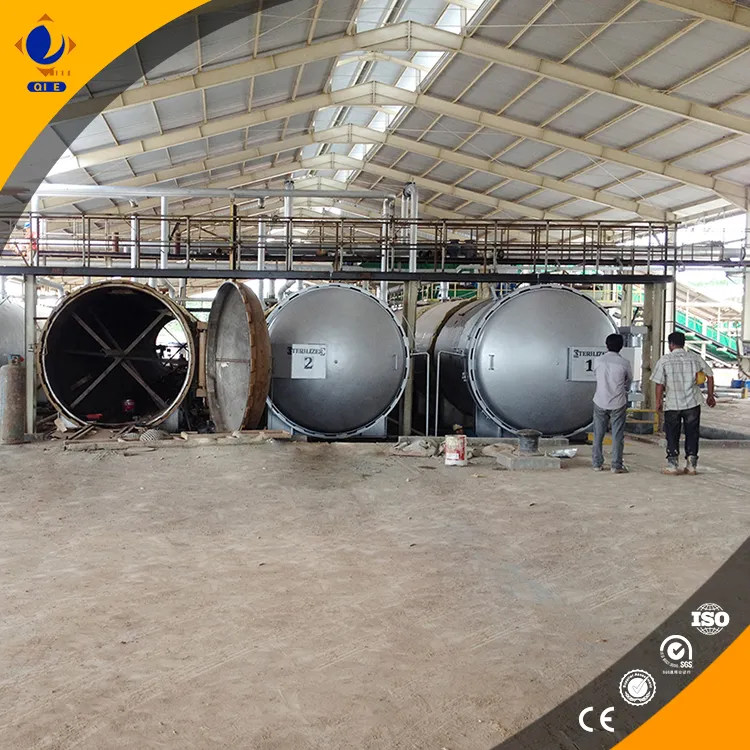
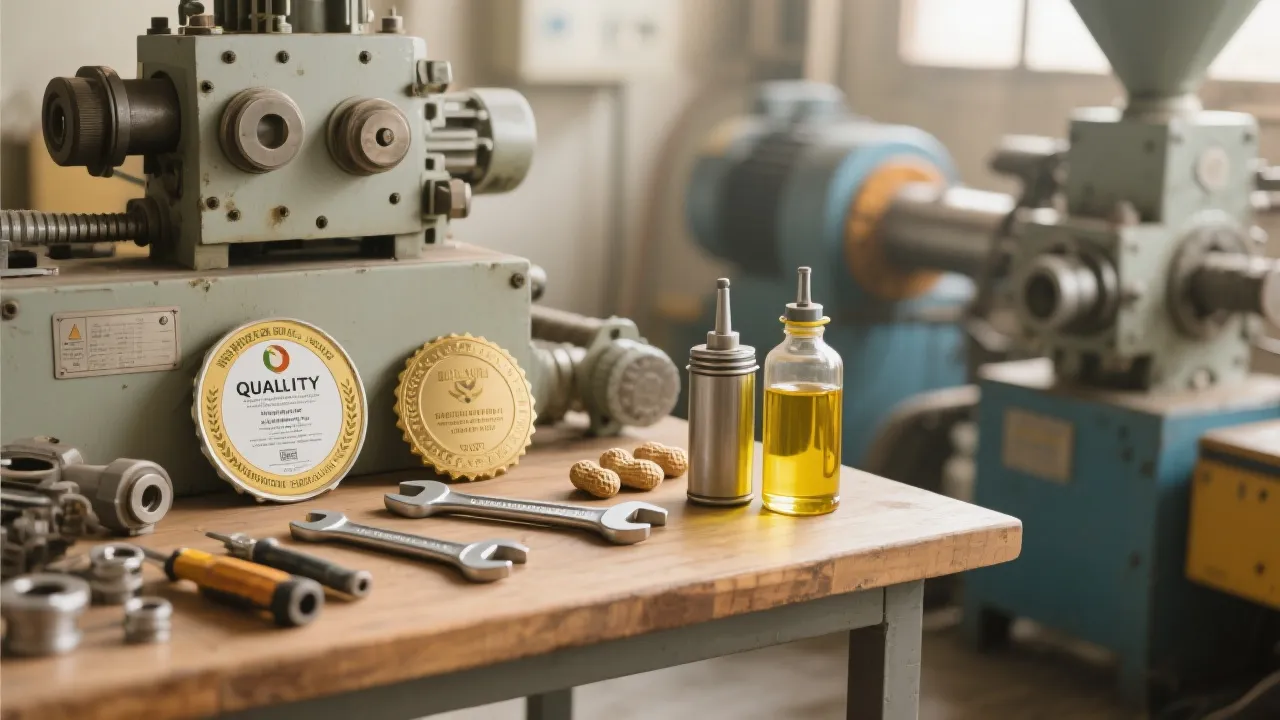
International certifications such as ISO 9001 for quality management and CE marking for European safety standards provide benchmarks for reliable equipment. Cooperatives should verify suppliers adhere to these standards to:
Understanding your cooperative's annual peanut processing volume and production environment is key:
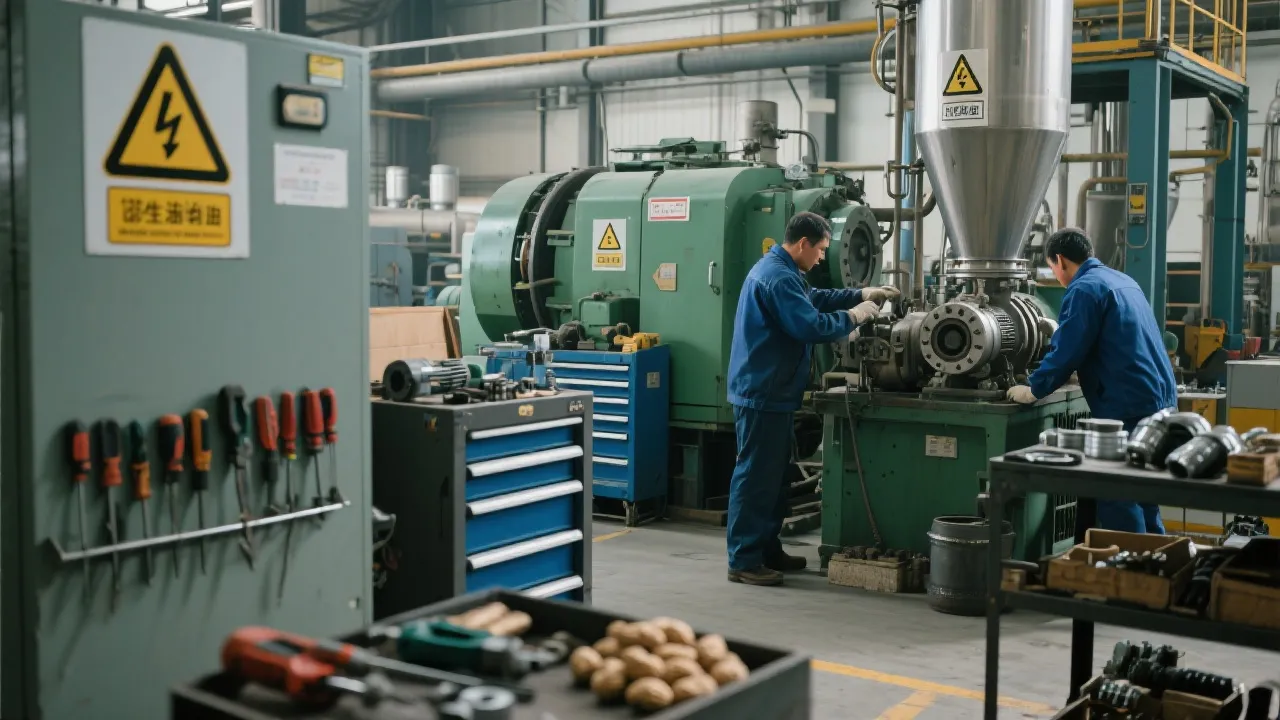
Consistent maintenance routines and prompt troubleshooting are critical to minimizing downtime and optimizing oil yield:
Trustworthy suppliers provide comprehensive technical assistance including remote diagnostics, on-site repair, and user training. Cooperatives should clarify:
 71
|
71
|
 energy-efficient peanut oil press
low-energy consumption oil extraction equipment
intelligent press control system
oil yield optimization
equipment upgrade for agricultural cooperatives
96
|
peanut oil press machine control system
ISO9001 compliant automation
smart oil extraction technology
real-time monitoring for food processing
remote maintenance in industrial systems
230
|
intelligent control system
peanut oil pressing machine
automated process control
ISO9001 quality management
production stability
457
|
Intelligent control system
Peanut oil press
Automated production
Energy conservation
ISO9001 quality certification
152
|
energy-efficient peanut oil press
agricultural cooperative sustainability
green compliance in oil processing
smart oil extraction technology
peanut oil production optimization
energy-efficient peanut oil press
low-energy consumption oil extraction equipment
intelligent press control system
oil yield optimization
equipment upgrade for agricultural cooperatives
96
|
peanut oil press machine control system
ISO9001 compliant automation
smart oil extraction technology
real-time monitoring for food processing
remote maintenance in industrial systems
230
|
intelligent control system
peanut oil pressing machine
automated process control
ISO9001 quality management
production stability
457
|
Intelligent control system
Peanut oil press
Automated production
Energy conservation
ISO9001 quality certification
152
|
energy-efficient peanut oil press
agricultural cooperative sustainability
green compliance in oil processing
smart oil extraction technology
peanut oil production optimization








.jpg?x-oss-process=image/resize,m_fill,h_800,w_800/format,webp)

