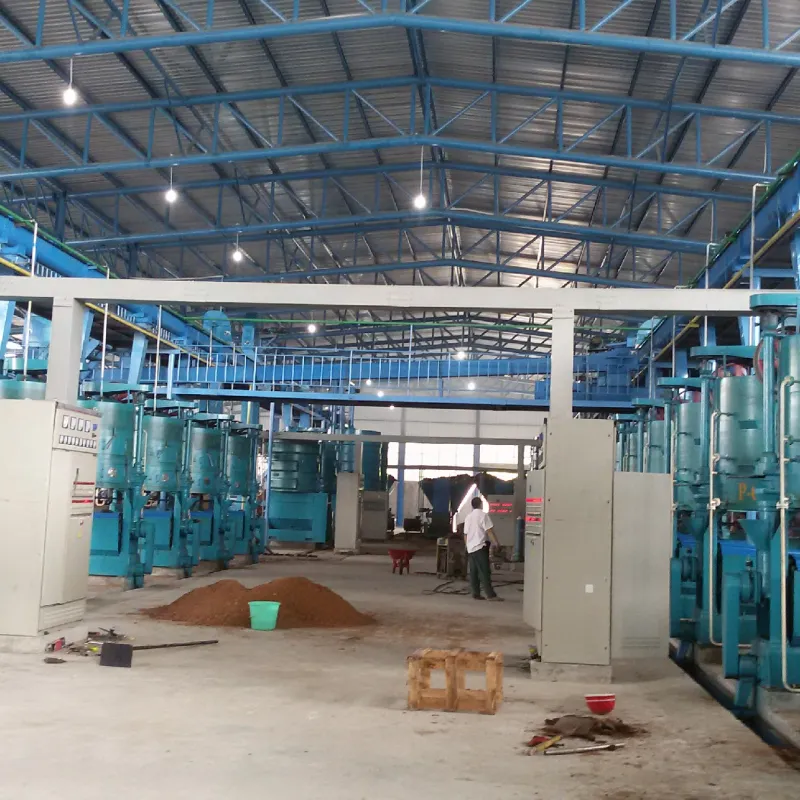
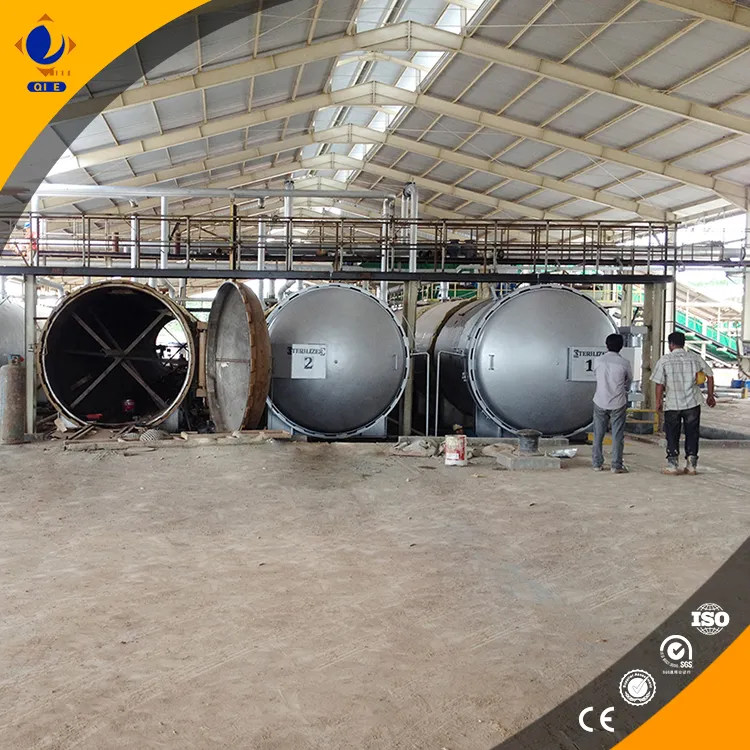
For decades, peanut oil producers in emerging markets have struggled with outdated machinery that’s energy-intensive, hard to maintain, and prone to downtime—especially under extreme heat and humidity. But recent deployments of intelligent control systems are changing the game.
One client in Ghana reported a 30% reduction in power consumption after installing our smart monitoring system on their 2,000-ton-per-hour press line. Another in Indonesia saw a jump from 85% to 98% oil extraction efficiency within three months—a direct result of real-time parameter adjustments based on feedstock consistency.
Our solution integrates hardware sensors (temperature, pressure, vibration) with cloud-based software that offers four key functions:
| Metric | Before Smart System | After Implementation |
|---|---|---|
| Avg. Energy Use (kWh/ton) | 18.5 | 12.9 |
| Oil Yield (%) | 82–87 | 97–100 |
| Unplanned Downtime (hrs/month) | 60+ | 20 |
These improvements align directly with ISO 9001:2000 standards for quality management and process traceability—critical for export compliance in EU and Middle East markets.
Unlike traditional PLCs, our system includes climate-adaptive algorithms that adjust operation parameters during monsoon seasons or sudden voltage drops—a common challenge in rural African and Southeast Asian facilities. For example:
“We used to lose 3–5 tons per week due to inconsistent output,” said a manager at a cooperative in Nigeria. “Now we run 24/7 without needing an engineer onsite.”
To replicate these results, consider:
Let every drop of oil count—upgrade your production line today with smarter automation.
See how much you could save in energy, labor, and yield—with zero disruption to your current operations.
Start Your Free Assessment → 435
|
435
|
 smart sunflower oil extraction equipment
pressure control technology
oil extraction rate optimization
equipment maintenance guide
grain and oil processing machinery
254
|
intelligent control system
peanut oil press automation
remote maintenance for oil production
high-capacity oil extraction
ISO9001 quality management
401
|
intelligent pressure oil extraction equipment
high-strength wear-resistant materials
sunflower seed oil extraction machine
oil press maintenance guide
grain and oil processing equipment
87
|
Peanut oil press intelligent control
Automated process control tutorial
Intelligent upgrade of grain and oil equipment
Low - energy consumption pressing system
Industrial Internet of Things in food processing
120
|
peanut oil press machine energy efficiency
low energy consumption oil press
smart control system for oil press
oil yield optimization technology
industrial oil extraction equipment
smart sunflower oil extraction equipment
pressure control technology
oil extraction rate optimization
equipment maintenance guide
grain and oil processing machinery
254
|
intelligent control system
peanut oil press automation
remote maintenance for oil production
high-capacity oil extraction
ISO9001 quality management
401
|
intelligent pressure oil extraction equipment
high-strength wear-resistant materials
sunflower seed oil extraction machine
oil press maintenance guide
grain and oil processing equipment
87
|
Peanut oil press intelligent control
Automated process control tutorial
Intelligent upgrade of grain and oil equipment
Low - energy consumption pressing system
Industrial Internet of Things in food processing
120
|
peanut oil press machine energy efficiency
low energy consumption oil press
smart control system for oil press
oil yield optimization technology
industrial oil extraction equipment









.jpg?x-oss-process=image/resize,m_fill,h_800,w_800/format,webp)