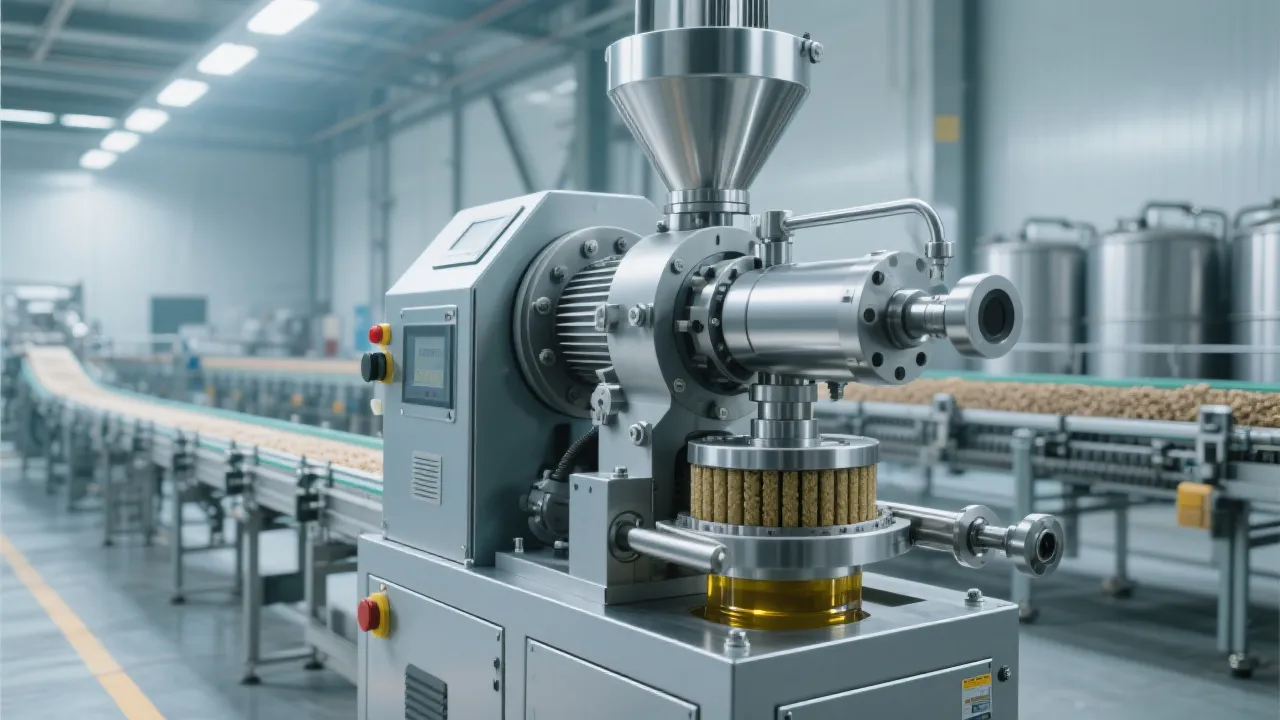
For many small to mid-sized oil extraction facilities in Africa and Southeast Asia, energy costs remain one of the top operational expenses. Traditional peanut oil presses often run inefficiently—especially when operating at partial load or under inconsistent raw material quality. But what if you could reduce your monthly electricity bill by up to 30%, while also improving oil yield? That’s exactly what smart control systems are delivering today.
Unlike older models that operate on fixed-speed motors, modern peanut oil presses integrate variable frequency drives (VFDs) and multi-stage temperature regulation. These technologies adjust motor speed based on real-time load conditions—similar to how a car’s engine adjusts power output depending on traffic or terrain. In practice, this means the machine doesn’t waste energy running at full capacity when it doesn’t need to.
| Feature | Older Model | Smart-Controlled Model |
|---|---|---|
| Motor Efficiency | Fixed Speed (75–80%) | Dynamic Adjustment (90–95%) |
| Heat Recovery | None | Up to 25% Thermal Reuse |
| Avg. Monthly kWh Usage | ~1,200 kWh | ~840 kWh |
These improvements aren’t just theoretical. A case study from an agricultural cooperative in Ghana shows a 32% drop in monthly electricity consumption after upgrading their press with a smart controller—while oil recovery rates increased from 42% to 46%. The payback period? Under 8 months.
“We used to spend over $200/month on power alone. Now, with the new system, we’re saving more than $60 per month—and getting better-quality oil too.”
— Kofi Mensah, Operations Lead, Ashanti Agro Co-op
To keep your smart-controlled peanut oil press performing optimally, follow these simple steps:
If you're evaluating equipment upgrades or seeking ways to cut operational costs without sacrificing output, understanding how intelligent controls optimize both energy use and performance is essential. Whether you're managing a family-run mill or a regional processing plant, the benefits are clear: lower bills, higher yields, and fewer maintenance headaches.
Download our free white paper: “Smart Controls in Action – How African Producers Saved 30% on Energy Costs”
Get Your Free Guide Now →