
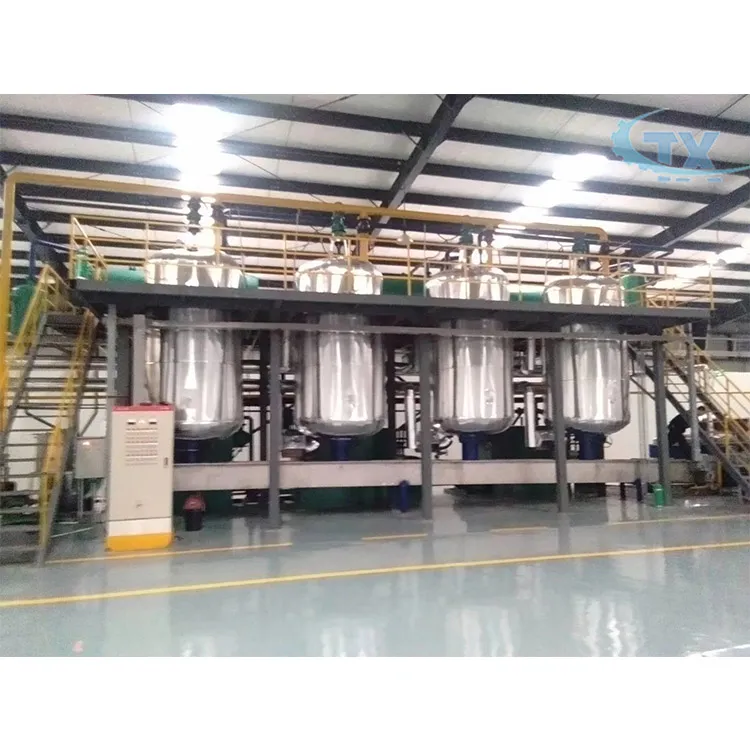
In the competitive edible oil processing industry, achieving consistent oil yield and superior quality requires more than just experience—it demands precise control over critical process parameters. For peanut oil producers, mastering the delicate balance between feed rate and pressure gradient stands as one of the most significant challenges in optimizing production efficiency. Recent industry studies indicate that improper control of these parameters can result in yield losses of up to 8-12% and increase residual oil content in press cake by 3-5%, directly impacting profitability.
Peanut oil extraction is a complex mechanical process where the physical properties of the raw material interact dynamically with machine settings. The feed rate determines how much material enters the pressing chamber per unit time, while the pressure gradient refers to the progressive increase in pressure applied as peanuts move through the press. These two parameters form a critical relationship—altering one directly affects the other's effectiveness.
Optimal conditions typically involve a feed rate of 200-350 kg/hour for medium-scale operations, paired with a pressure gradient that increases from approximately 15 MPa at the feed zone to 35-40 MPa at the discharge end. However, these values must be adjusted based on peanut variety, moisture content (ideally 6-8%), and desired oil quality characteristics.
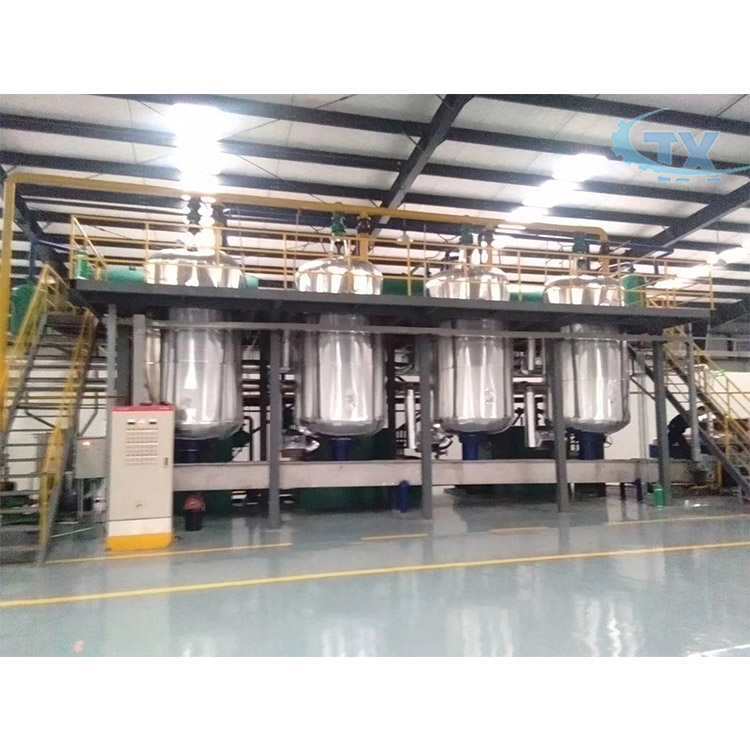
Modern peanut oil processing facilities are moving beyond manual feed rate adjustments to embrace automated systems that maintain uniformity even as raw material characteristics change. The key components of effective feed rate control include:
Case studies from leading Asian processing facilities demonstrate that implementing precision feed control alone can improve yield consistency by 18-22%, reducing batch-to-batch variation from ±5% to ±1.5% or less.
The pressure gradient in peanut oil pressing is not simply about applying maximum force—it's about applying the right amount of pressure at the right time. An optimal gradient curve should:
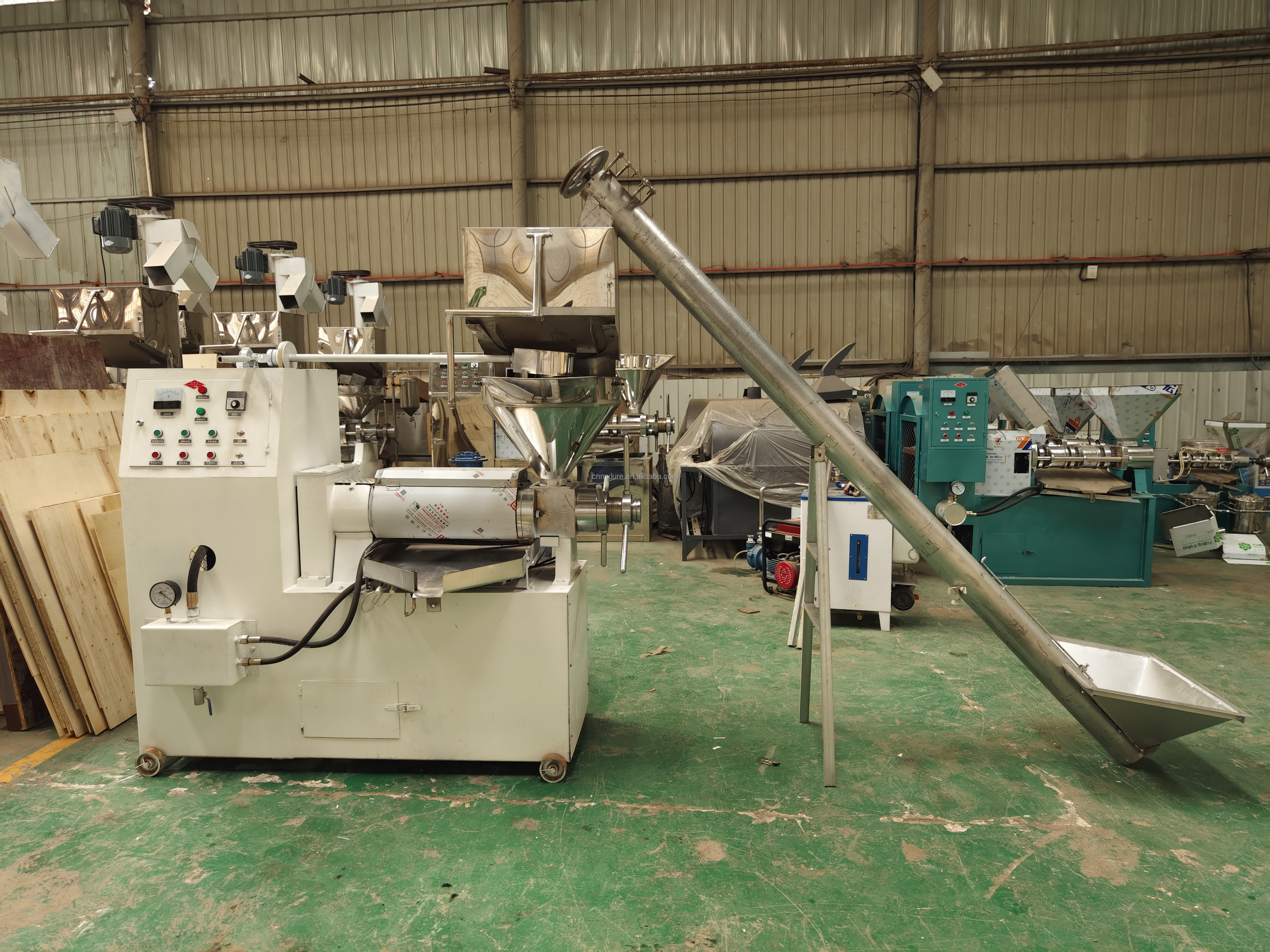
Often overlooked in discussions of feed rate and pressure, temperature control plays a vital role in mediating the relationship between these two parameters. Optimal pressing temperature typically ranges between 95-110°C, with precise control within ±2°C being essential.
At lower temperatures, peanut oil viscosity increases, requiring higher pressure to achieve equivalent yield. Conversely, excessive temperatures can degrade oil quality, affecting color, flavor, and nutritional properties. Modern systems integrate infrared temperature sensors at multiple points along the press, allowing for dynamic adjustments to maintain optimal conditions.
The most significant advancement in peanut oil processing has been the shift from experience-based operation to data-driven decision making. 企鹅集团 (QIE Group) has been at the forefront of this transformation, developing intelligent pressing systems that leverage real-time data to optimize the feed rate-pressure gradient relationship.
Key components of this intelligent approach include:
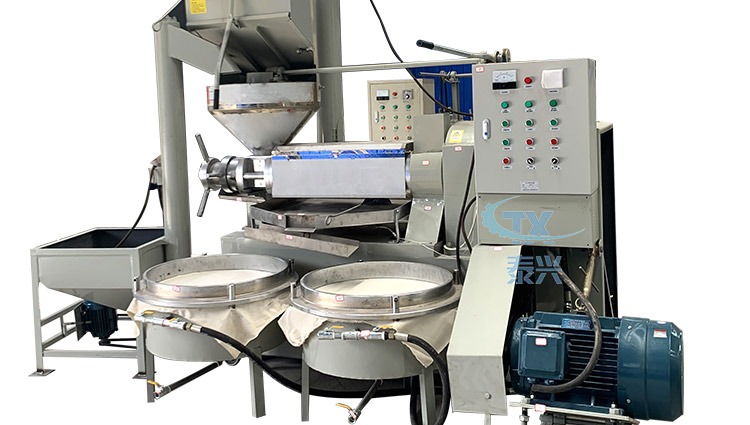
Even the most advanced systems require proper maintenance to maintain precision. Critical maintenance practices include:
Sensor Calibration: Weekly calibration of pressure transducers and flow sensors to maintain accuracy within ±0.5%
Seal Inspection: Daily visual inspection of pressure chamber seals, with replacement every 500 operating hours
Roller Alignment: Monthly check of press roller parallelism, with adjustment if deviation exceeds 0.1mm
Cleaning Protocol: Complete system cleaning every 24 hours of operation to prevent residue buildup
Implementing a structured maintenance program can reduce unplanned downtime by 40-50% and extend equipment lifespan by 3-5 years, while ensuring that the critical feed rate and pressure gradient parameters remain within optimal ranges.
Discover how 企鹅集团 (QIE Group) intelligent low-energy peanut oil pressing systems can optimize your feed rate and pressure gradient control for maximum yield and quality.
Schedule a Free Technical ConsultationAs the industry continues to evolve, the processors who will thrive are those who embrace the precision and consistency offered by data-driven control systems. The relationship between feed rate and pressure gradient represents not just a technical challenge, but an opportunity to gain competitive advantage through operational excellence and product quality differentiation.
 215
|
215
|
 intelligent control system
peanut oil refining equipment
energy saving and emission reduction
cold pressing technology
production efficiency improvement
332
|
peanut oil press energy saving
small oil mill equipment upgrade
energy-efficient oil press
oil mill energy reduction 30%
intelligent press control
151
|
Energy - saving peanut oil refining equipment
Cold - pressing technology
Hot - pressing process
Intelligent control system
Peanut oil production line equipment
342
|
Peanut oil press energy-saving
Intelligent control system
Agricultural cooperative oil production equipment
Energy-saving oil press operating cost
Green oil production solutions
278
|
Peanut oil refining technology
Energy - efficient edible oil equipment
Green grain and oil machinery
Fully automatic peanut oil production line
Intelligent grain and oil equipment
intelligent control system
peanut oil refining equipment
energy saving and emission reduction
cold pressing technology
production efficiency improvement
332
|
peanut oil press energy saving
small oil mill equipment upgrade
energy-efficient oil press
oil mill energy reduction 30%
intelligent press control
151
|
Energy - saving peanut oil refining equipment
Cold - pressing technology
Hot - pressing process
Intelligent control system
Peanut oil production line equipment
342
|
Peanut oil press energy-saving
Intelligent control system
Agricultural cooperative oil production equipment
Energy-saving oil press operating cost
Green oil production solutions
278
|
Peanut oil refining technology
Energy - efficient edible oil equipment
Green grain and oil machinery
Fully automatic peanut oil production line
Intelligent grain and oil equipment








.jpg?x-oss-process=image/resize,m_fill,h_800,w_800/format,webp)

.jpg?x-oss-process=image/resize,m_fill,h_800,w_800/format,webp)
