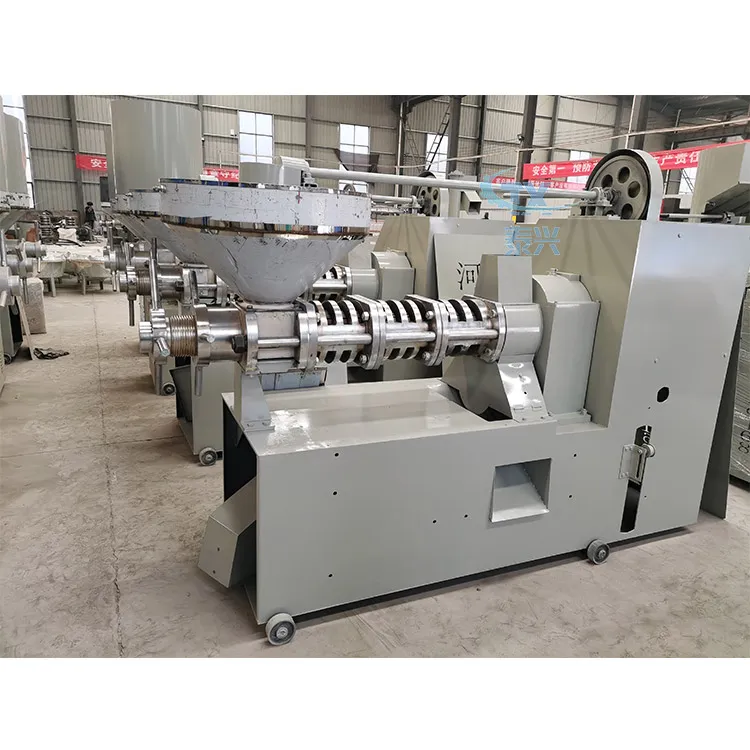
In the competitive edible oil processing industry, achieving consistent product quality while maximizing extraction efficiency remains a core challenge for manufacturers worldwide. This comprehensive guide explores the critical relationship between feeding speed control and temperature management in peanut oil pressing, offering actionable insights for process optimization based on industry best practices and technological advancements.
Controlling the feeding speed isn't merely about maintaining production flow—it directly impacts both oil yield and quality parameters. Research indicates that an optimal feeding rate can increase oil extraction efficiency by 8-12% while reducing energy consumption by up to 15%. When peanuts are introduced too quickly, the press chamber becomes overloaded, leading to uneven pressure distribution and incomplete oil release, often resulting in residual oil content exceeding 8% in the meal.
"Modern oil mills are transitioning from static speed settings to dynamic adjustment systems that respond to real-time changes in raw material characteristics," explains Dr. Michael Chen, Process Engineering Director at the International Edible Oil Institute. "This adaptive approach has shown to reduce process variability by 40% in controlled studies."
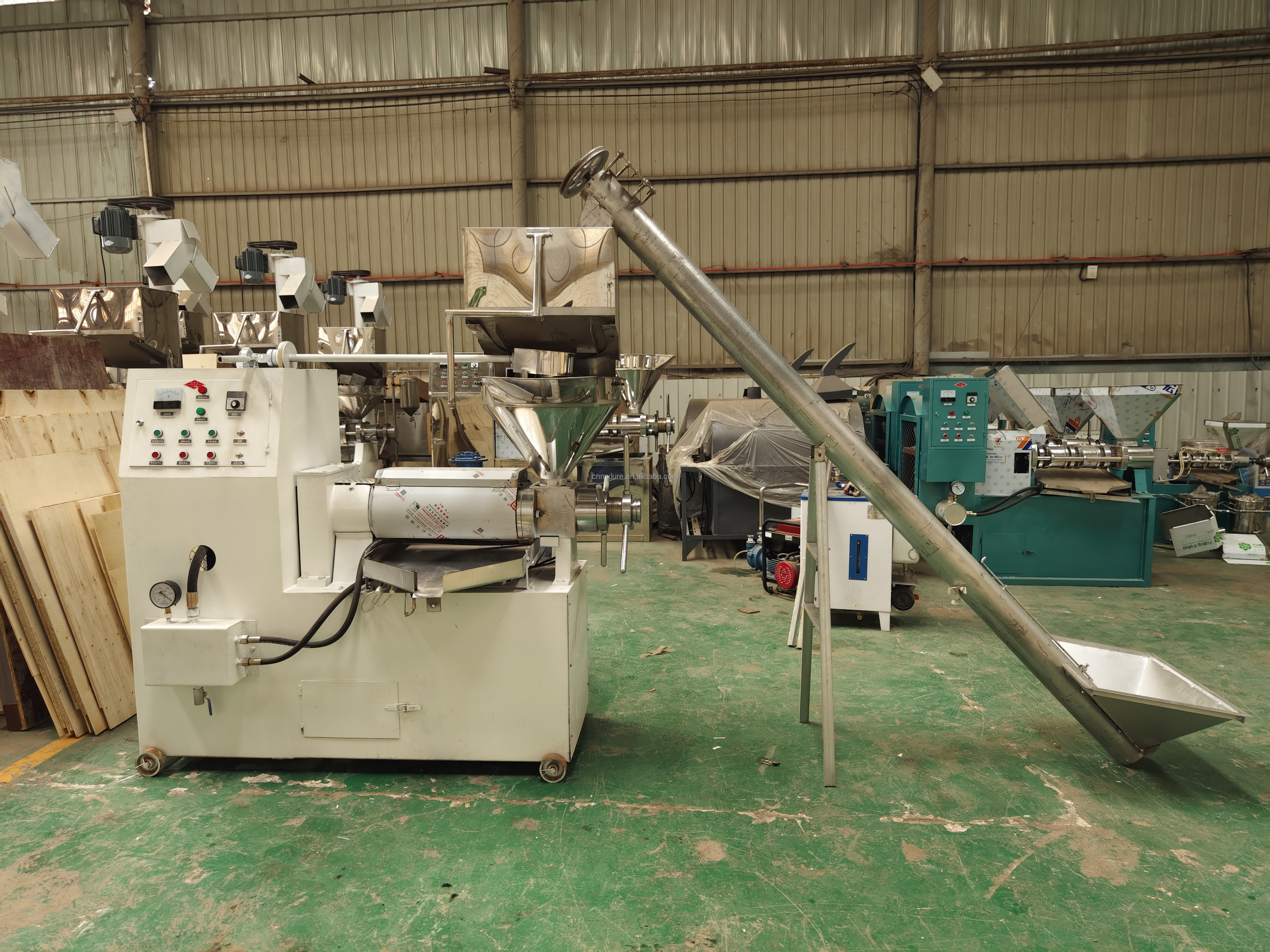
Optimal feeding speed varies by peanut variety, moisture content, and processing equipment. For Spanish peanuts with 8-10% moisture content, industry benchmarks suggest an ideal range of 120-150 kg/hour for single-screw presses, while Virginia peanuts typically require a 15-20% reduction in feeding rate due to their larger kernel size. These parameters should be recalibrated whenever raw material characteristics change by more than 5%.
Temperature management during pressing directly affects oil quality metrics including free fatty acid content, peroxide value, and color. The optimal temperature range for peanut oil pressing is 125-140°C, where enzyme activity is minimized while maintaining sufficient fluidity for efficient extraction. Deviations beyond ±5°C from this range can result in a 30% increase in oxidation products and significant color darkening.
Have you experienced oil quality issues due to temperature control failures in your processing line? Many operators overlook the cumulative effect of minor temperature fluctuations, which can compromise product consistency over extended production runs.
Modern 智能压榨设备 (intelligent pressing equipment) incorporates multi-zone temperature monitoring with precision control within ±1°C. These systems utilize infrared sensors and feedback loops that adjust heating elements in real-time, preventing localized overheating that causes oil degradation. Implementation of such systems has been shown to reduce quality-related rejects by an average of 22% in commercial operations.
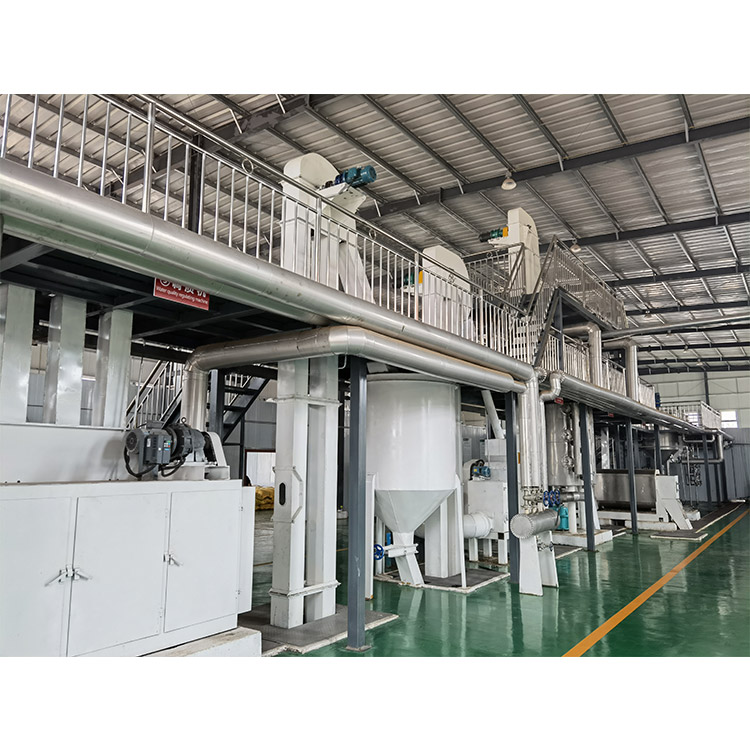
Sensor calibration and equipment maintenance are often underestimated factors in process consistency. Pressure and temperature sensors should be calibrated at least monthly, with a more rigorous quarterly verification using traceable standards. A study by the China National Food Industry Association found that proper sensor maintenance alone can improve process stability by 35%.
Quick Calibration Protocol: For temperature sensors, use a dry-block calibrator at 100°C, 130°C, and 160°C points. Allow 15-minute stabilization at each setpoint before recording readings. Pressure transducers should be verified at 25%, 50%, 75%, and 100% of operating range using a dead-weight tester.
Worn seals contribute to approximately 40% of pressure control issues in pressing equipment. Regular inspection of O-rings and gaskets, particularly after 500 hours of operation, prevents pressure leakage and maintains consistent processing conditions. Using food-grade silicone materials can extend seal life by 60% compared to standard rubber compounds.
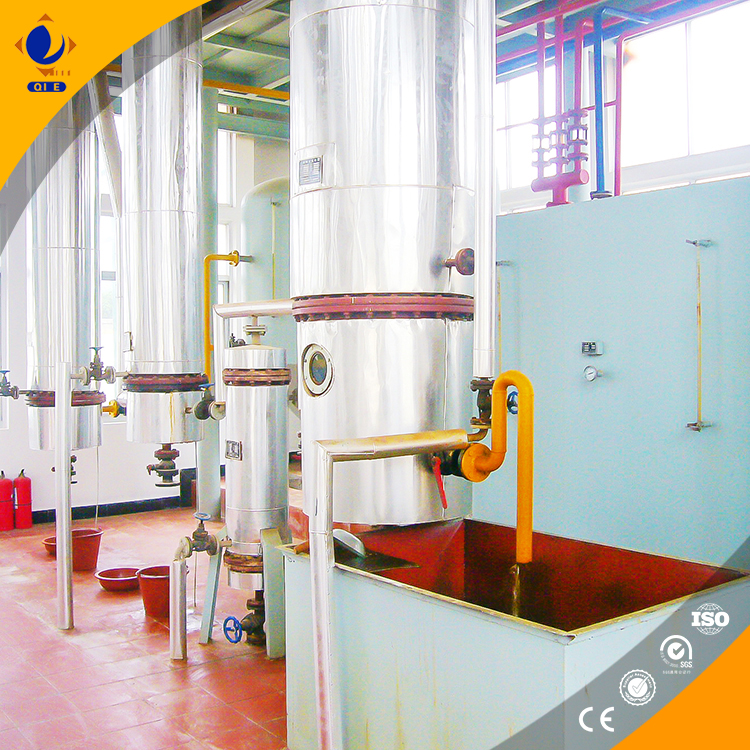
The most progressive oil processing facilities are implementing 自动化控制系统 (automated control systems) that integrate feeding speed, temperature, and pressure data into centralized monitoring platforms. These systems enable real-time parameter adjustments and provide historical trending analysis to identify optimization opportunities.
By establishing standardized operating procedures based on empirical data, manufacturers can reduce operator variability and achieve consistent product quality. Companies that have implemented such data-driven approaches report a 28% reduction in production costs and a 19% improvement in product uniformity.
Discover how Penguin Group's advanced process control solutions can help you achieve consistent quality while maximizing extraction yields.
Explore Intelligent Pressing SolutionsThe information provided in this article is based on industry research and practical applications. Individual results may vary based on specific operating conditions and equipment configurations. Always consult with qualified process engineers before implementing major process changes.
 101
|
101
|
 large oil mill automation
PLC control system
sensor selection
data acquisition logic
automation system deployment
215
|
intelligent control system
peanut oil refining equipment
energy saving and emission reduction
cold pressing technology
production efficiency improvement
276
|
energy-saving peanut oil refining equipment
cold press vs hot press peanut oil
peanut oil production line selection
intelligent oil processing machinery
eco-friendly oil refining equipment
315
|
energy efficient peanut oil refiner
peanut oil refining machine
edible oil export technology
smart oil processing equipment
green food manufacturing
447
|
oil mill automation system
PLC control configuration
sensor selection for oil processing
QIE Group oil equipment
automation deployment in oil mills
large oil mill automation
PLC control system
sensor selection
data acquisition logic
automation system deployment
215
|
intelligent control system
peanut oil refining equipment
energy saving and emission reduction
cold pressing technology
production efficiency improvement
276
|
energy-saving peanut oil refining equipment
cold press vs hot press peanut oil
peanut oil production line selection
intelligent oil processing machinery
eco-friendly oil refining equipment
315
|
energy efficient peanut oil refiner
peanut oil refining machine
edible oil export technology
smart oil processing equipment
green food manufacturing
447
|
oil mill automation system
PLC control configuration
sensor selection for oil processing
QIE Group oil equipment
automation deployment in oil mills