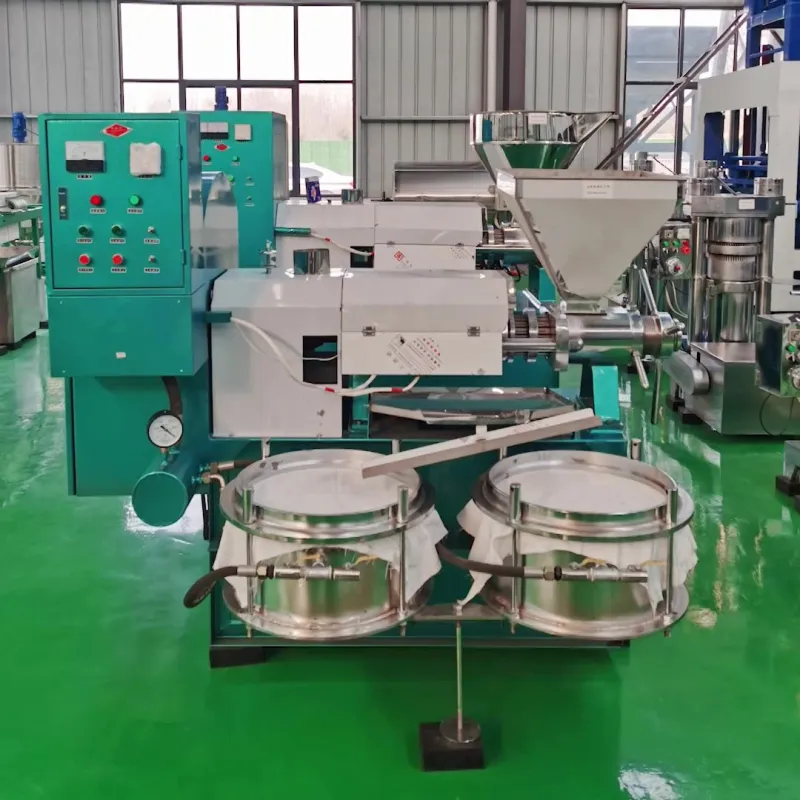
In the face of surging global demand for peanut oil, agricultural enterprises and oil mills are increasingly challenged to sustainably enhance production efficiency and product quality. Choosing energy-efficient and reliable refining equipment is no longer optional—it's a strategic imperative. This guide walks you through critical considerations to optimize your procurement decisions, tailored for your oil mill's scale and operational goals.
Many peanut oil processors confront aging machinery that leads to high energy consumption, product inconsistency, escalating labor costs, and stricter environmental compliance demands. These factors collectively squeeze profit margins and constrain growth potential. Your decision on equipment upgrades thus must focus on reducing energy use, automating processes, and meeting international quality standards to maintain competitiveness.
Understanding the fundamental differences between cold pressing and hot pressing technologies is key to aligning equipment choices with your production objectives:
Choose cold pressing for quality-centric products targeting health-conscious consumers or export markets emphasizing natural extraction. Opt for hot pressing when optimizing throughput and cost efficiency is your priority.
Modern refining lines equipped with smart automation systems dramatically transform operational efficiency:
Your oil mill's scale defines achievable efficiencies and required system complexity:
| Scale | Recommended Equipment | Key Upgrade Features |
|---|---|---|
| Small (≤5 tons/day) | Compact cold-press units with manual operation | Introduce basic digital controls & temperature sensors |
| Medium (5-20 tons/day) | Semi-automatic hot press with PLC and intelligent monitoring | Automated oil yield optimization & energy consumption tracking |
| Large (≥20 tons/day) | Fully integrated hot pressing lines with AI control & predictive maintenance | Real-time quality analytics, waste heat recovery and automated cleaning systems |
Wondering which scale fits your operation? Click here to get personalized equipment selection advice based on your oil mill’s size.
Adopting refining equipment that meets international certifications such as ISO 22000 and HACCP does more than ensure safe production—it enhances brand reputation and export eligibility. Companies report up to a 15% price premium on oils certified under these standards, particularly in European and North American markets, while simultaneously reducing environmental liabilities through lower emissions and waste.
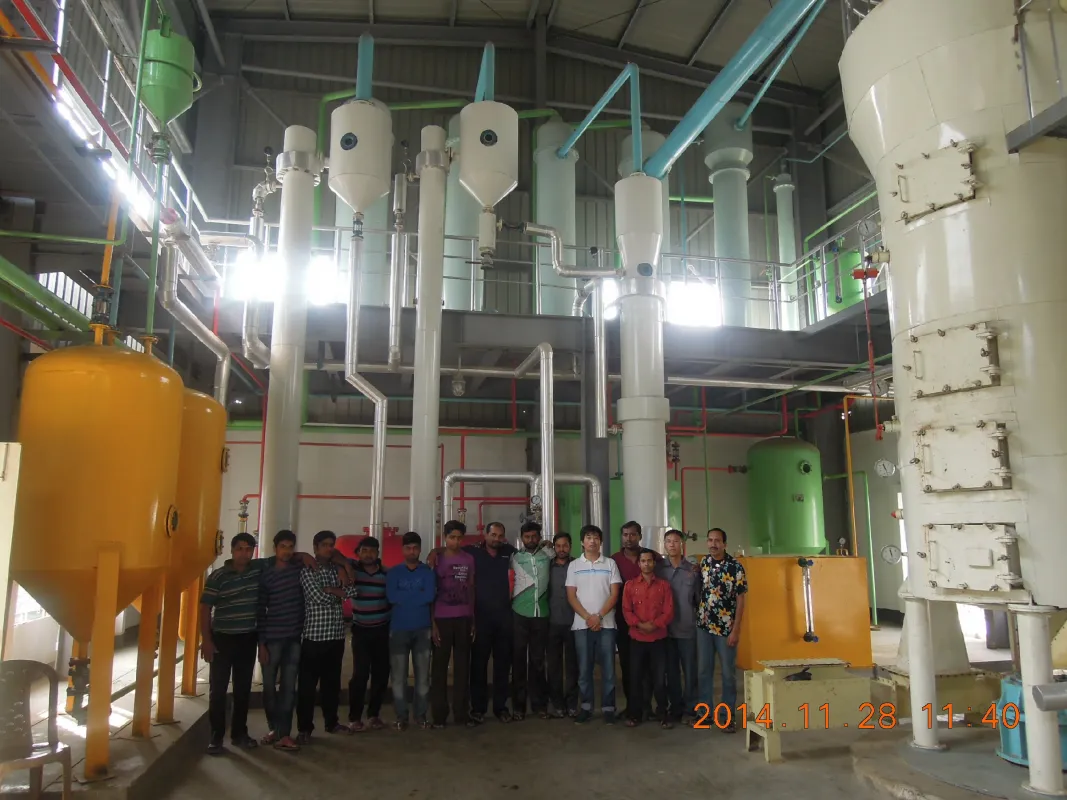
Remember, upgrading your refining unit is a step towards a comprehensive operational transformation. Integrating upstream and downstream processes—in oilseed cleaning, pressing, refining, and packaging—under digital oversight exponentially raises production agility and cost savings.
Moving from buying individual machines to embracing a full processing line solution will future-proof your investment and unlock new business opportunities.
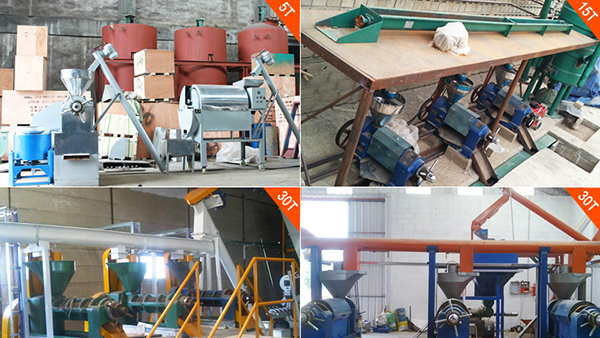
Empowering your oil mill with advanced technology and expert support.
 495
|
495
|
 Intelligent control system for peanut oil press
ISO9001 quality certification
High - efficiency pressing equipment
Oil - making solutions for agricultural cooperatives
Remote maintenance of grain and oil equipment
151
|
Energy - saving peanut oil refining equipment
Cold - pressing technology
Hot - pressing process
Intelligent control system
Peanut oil production line equipment
428
|
peanut oil press control system
large scale oil press automation
oil extraction efficiency optimization
ISO9001 compliant machinery
smart industrial control systems
351
|
peanut oil press selection
energy-saving press maintenance
press technical parameters
oil equipment for agricultural cooperatives
solutions for small and medium-sized oil mills
152
|
energy-efficient peanut oil press
agricultural cooperative sustainability
green compliance in oil processing
smart oil extraction technology
peanut oil production optimization
Intelligent control system for peanut oil press
ISO9001 quality certification
High - efficiency pressing equipment
Oil - making solutions for agricultural cooperatives
Remote maintenance of grain and oil equipment
151
|
Energy - saving peanut oil refining equipment
Cold - pressing technology
Hot - pressing process
Intelligent control system
Peanut oil production line equipment
428
|
peanut oil press control system
large scale oil press automation
oil extraction efficiency optimization
ISO9001 compliant machinery
smart industrial control systems
351
|
peanut oil press selection
energy-saving press maintenance
press technical parameters
oil equipment for agricultural cooperatives
solutions for small and medium-sized oil mills
152
|
energy-efficient peanut oil press
agricultural cooperative sustainability
green compliance in oil processing
smart oil extraction technology
peanut oil production optimization





.jpg?x-oss-process=image/resize,m_fill,h_800,w_800/format,webp)