
As global demand for clean, efficient, and traceable food production rises, peanut oil manufacturers—from small-scale processors in Southeast Asia to large agri-food complexes in Europe—are turning to intelligent refining systems. These innovations aren’t just about automation—they’re about cutting energy use by up to 30%, reducing labor costs, and ensuring compliance with international food safety standards like ISO 22000 and HACCP.
Many mid-sized oil mills still rely on outdated methods that consume excessive steam and electricity—often wasting over 40% of total energy input during deodorization and bleaching stages. In addition, manual control leads to inconsistent quality, higher rejection rates, and longer processing times. According to the FAO’s 2023 Global Food Processing Report, these inefficiencies cost producers an average of $12–$18 per ton in avoidable waste.
“Smart refining isn't a luxury—it's becoming a competitive necessity for exporters aiming to meet EU and GCC sustainability requirements.” — Dr. Lena Müller, Food Engineering Consultant, Fraunhofer Institute
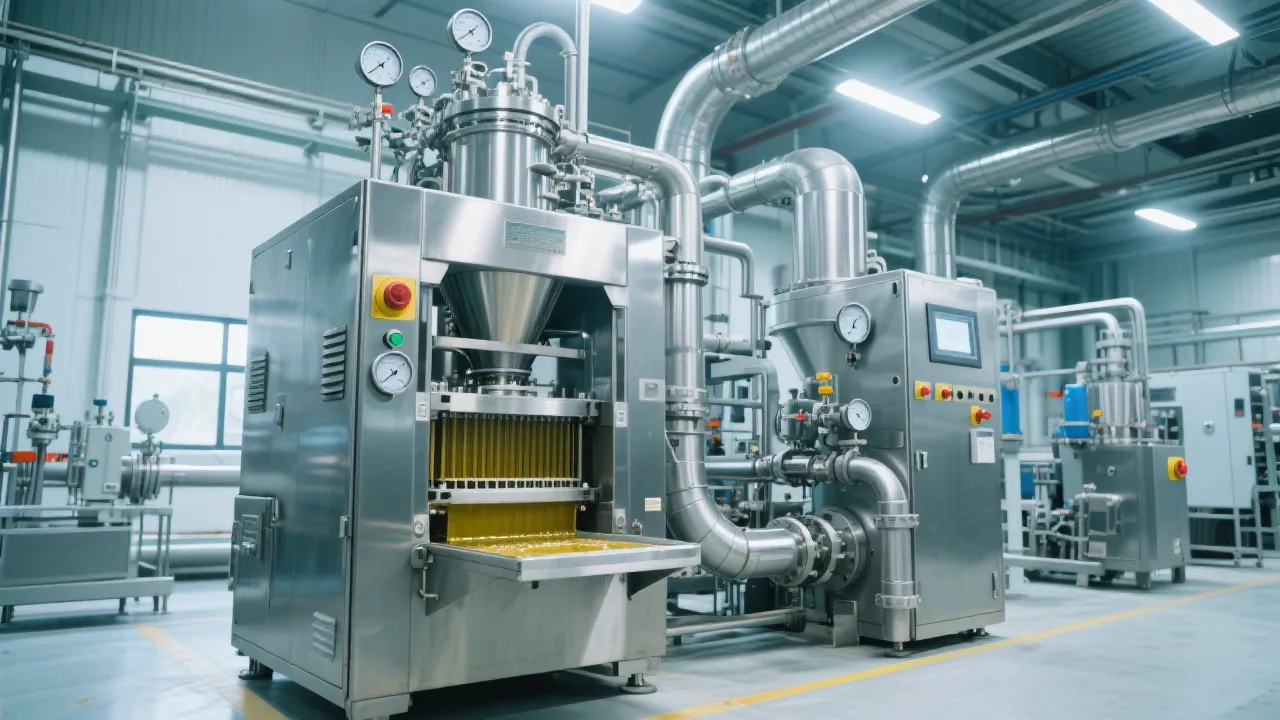
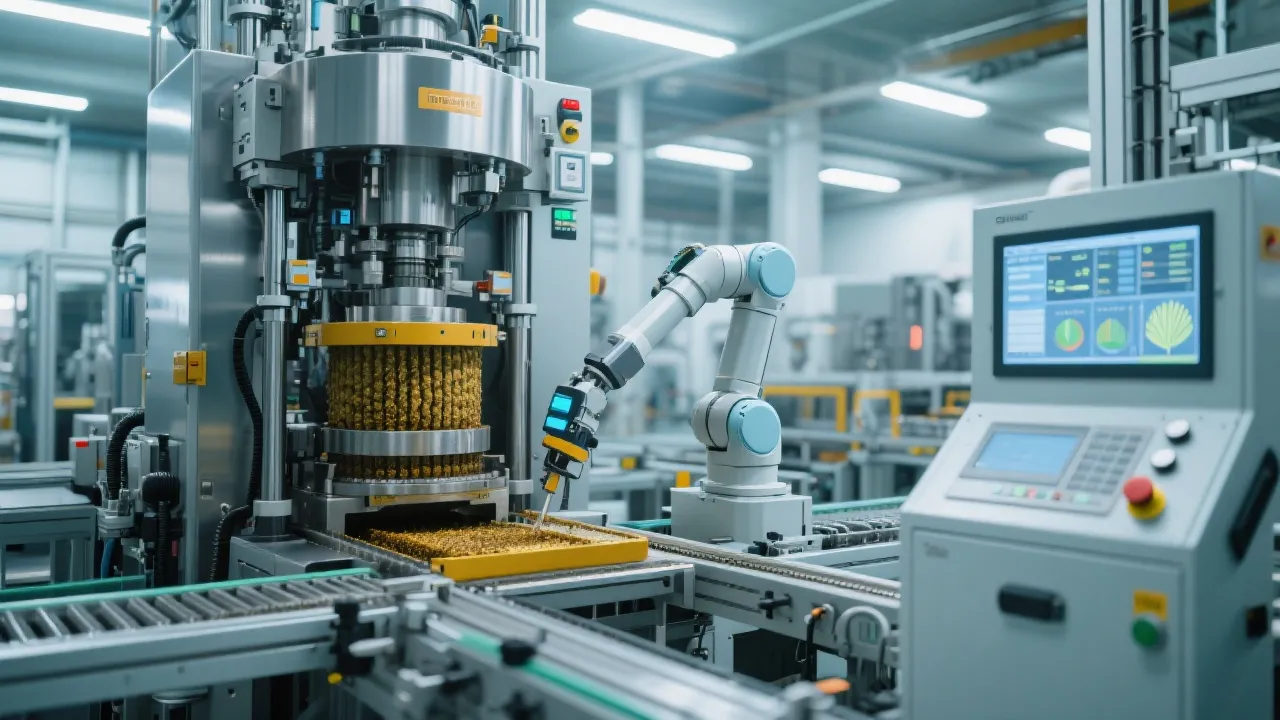
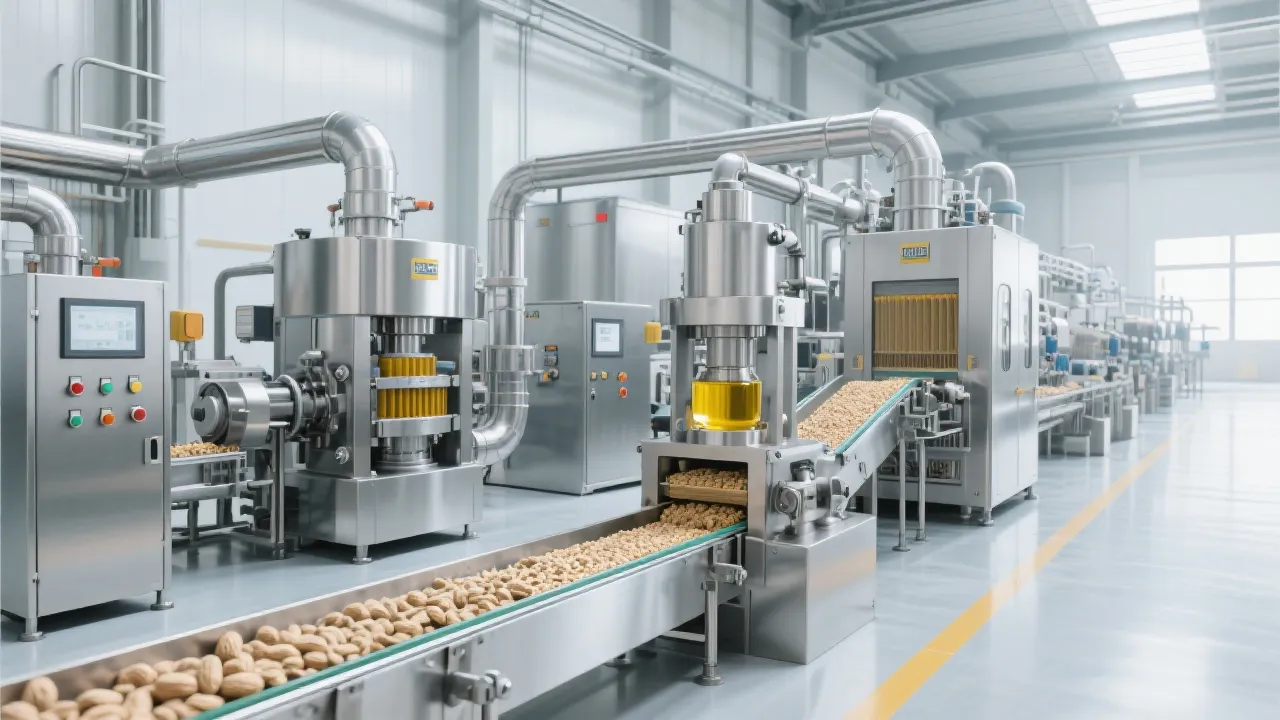
The latest generation of peanut oil refining equipment integrates three core technologies:
In a case study from Indonesia, a 5-ton/day peanut oil mill upgraded its system using this approach. Within six months, they reported:
Modern refineries can now generate verifiable carbon footprint data through embedded IoT sensors—a critical factor for entering markets like the EU, where green tariffs are being introduced. This also opens doors to premium pricing: buyers in Germany and the UAE are increasingly willing to pay 5–10% more for certified sustainable oils.
One Malaysian exporter saw their product qualify for the “Green Certified” label after implementing smart controls. Their export orders jumped by 40% within one quarter—not because of price cuts, but because of trust built through transparency.
Get our free technical whitepaper: "Step-by-Step Guide to Retrofitting Existing Peanut Oil Plants"
Download Now →Whether you're looking to reduce operational risk or unlock new export opportunities, upgrading your refining process is no longer optional—it’s strategic. And with modular, scalable solutions available today, even smaller players can leapfrog into the future of food tech.
 66
|
66
|
 peanut oil press machine selection
energy-saving oil press maintenance
oil press technical specifications
green intelligent oil extraction equipment
small and medium oil processing equipment
452
|
Peanut oil press selection
Energy-saving press maintenance
Press technical parameters
Peanut oil equipment selection
Intelligent energy-saving oil press
120
|
peanut oil press machine energy efficiency
low energy consumption oil press
smart control system for oil press
oil yield optimization technology
industrial oil extraction equipment
42
|
peanut oil press energy efficiency
small scale oil mill upgrades
intelligent oil pressing technology
oil extraction rate improvement
agricultural cooperative machinery
416
|
Energy - saving peanut oil refining equipment
Cold - pressing vs hot - pressing technology comparison
Grain and oil machinery export standards
Intelligent control production line
Environmental compliance certification
peanut oil press machine selection
energy-saving oil press maintenance
oil press technical specifications
green intelligent oil extraction equipment
small and medium oil processing equipment
452
|
Peanut oil press selection
Energy-saving press maintenance
Press technical parameters
Peanut oil equipment selection
Intelligent energy-saving oil press
120
|
peanut oil press machine energy efficiency
low energy consumption oil press
smart control system for oil press
oil yield optimization technology
industrial oil extraction equipment
42
|
peanut oil press energy efficiency
small scale oil mill upgrades
intelligent oil pressing technology
oil extraction rate improvement
agricultural cooperative machinery
416
|
Energy - saving peanut oil refining equipment
Cold - pressing vs hot - pressing technology comparison
Grain and oil machinery export standards
Intelligent control production line
Environmental compliance certification








.jpg?x-oss-process=image/resize,m_fill,h_800,w_800/format,webp)

