Mastering the skills of selecting and maintaining high-efficiency energy-saving peanut oil presses is the key to improving oil yield and extending equipment lifespan! This article details the core parameters such as processing capacity, oil yield, and structural durability, and guides you step by step on how to choose the right model according to your production scale and working environment. It also provides a full - process guide on daily maintenance, fault troubleshooting, and technical support.
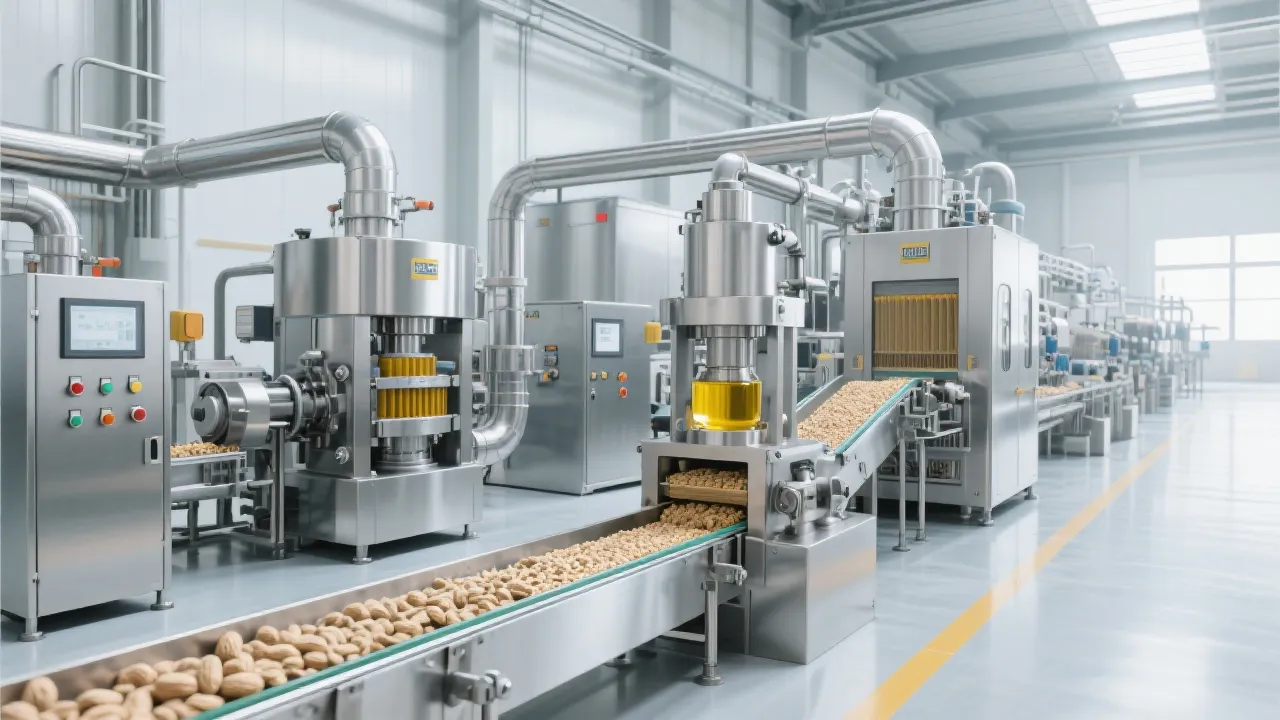
When choosing a peanut oil press, it's crucial to understand the key technical indicators. For example, some advanced peanut oil presses have a processing capacity of up to 2000 tons per hour, which can meet the large - scale production needs of medium - sized and large - scale oil mills. The oil yield is also an important factor. High - quality presses can achieve an oil yield of 98% - 100%, ensuring that you can extract every drop of oil from peanuts.
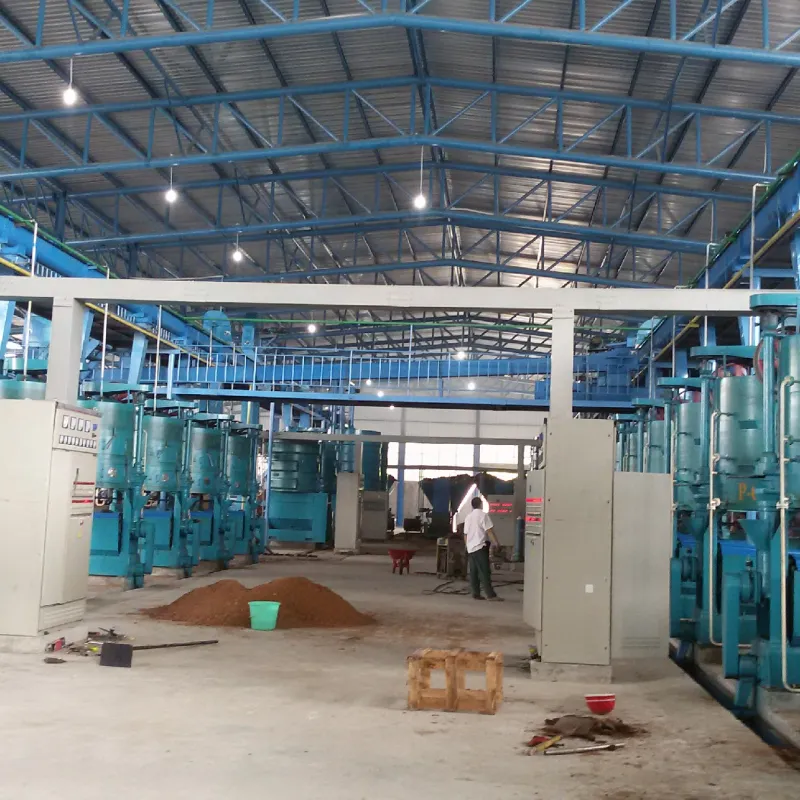
Different regions have different climates and working conditions. In Africa, where the climate is hot and dry, peanut oil presses need to have good heat - resistance and dust - prevention performance. In Southeast Asia, with its humid climate, anti - corrosion and moisture - proof capabilities are essential. Our peanut oil presses are designed to adapt to these diverse conditions, ensuring stable operation in various environments.
Energy - saving is one of the outstanding features of our peanut oil presses. Compared with traditional presses, our products can reduce energy consumption by more than 30%. Moreover, they comply with the ISO9001 standard, which means they meet high - quality and environmental protection requirements. By choosing our energy - saving presses, you can not only reduce operating costs but also contribute to environmental protection.
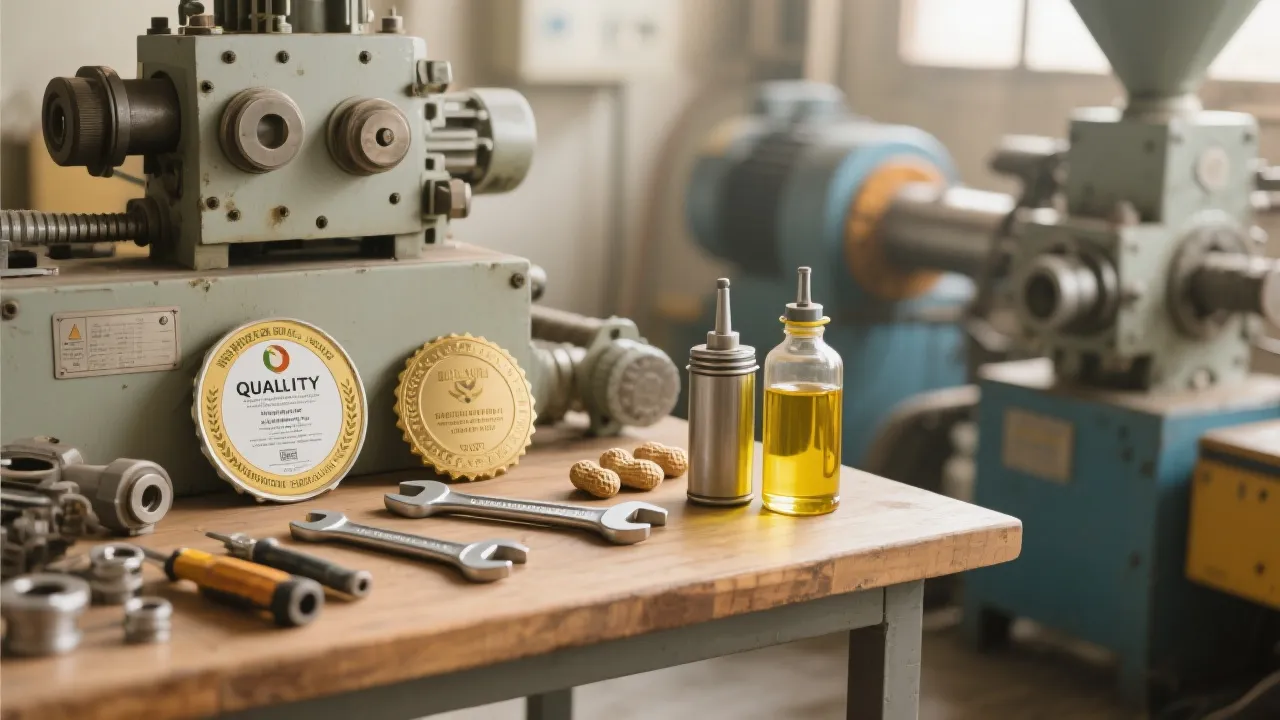
Proper daily maintenance is the key to extending the lifespan of peanut oil presses. Regularly check the lubrication system, clean the filter screen, and inspect the wearing parts. We provide a detailed maintenance flowchart (as shown in the following chart) to help you carry out maintenance work step by step. In addition, we also offer solutions to common problems, such as abnormal noise and low oil yield.
Q: How often should I lubricate the peanut oil press?
A: It is recommended to lubricate the key parts every 200 - 300 working hours.
Q: What should I do if the oil yield suddenly drops?
A: First, check if the peanuts are of good quality. Then, inspect the press for any blockages or mechanical failures.
Whether you are the person in charge of an agricultural cooperative or a small - to - medium - sized oil mill, you can find practical solutions from this guide, reduce operational risks, and achieve green and intelligent upgrades. Let every drop of oil be worth it!
If you want to learn more about our peanut oil presses, such as specific models, technical details, and customized solutions, click here to view our technical whitepaper or contact our exclusive engineers for a personalized consultation.
 345
|
345
|
 peanut oil press selection
energy-efficient oil press maintenance
oil press technical parameters
high-efficiency oil extraction equipment
intelligent oil mill solutions
96
|
peanut oil press machine control system
ISO9001 compliant automation
smart oil extraction technology
real-time monitoring for food processing
remote maintenance in industrial systems
117
|
Low-energy-consumption peanut oil press
Intelligent control system
Adaptability to high-temperature and high-humidity environments
ISO9001 quality standard
African and Southeast Asian market cases
299
|
energy-saving peanut oil press
low-energy oil extraction equipment
peanut oil production cost reduction
intelligent peanut oil press
agricultural cooperative oil equipment
351
|
peanut oil press selection
energy-saving press maintenance
press technical parameters
oil equipment for agricultural cooperatives
solutions for small and medium-sized oil mills
peanut oil press selection
energy-efficient oil press maintenance
oil press technical parameters
high-efficiency oil extraction equipment
intelligent oil mill solutions
96
|
peanut oil press machine control system
ISO9001 compliant automation
smart oil extraction technology
real-time monitoring for food processing
remote maintenance in industrial systems
117
|
Low-energy-consumption peanut oil press
Intelligent control system
Adaptability to high-temperature and high-humidity environments
ISO9001 quality standard
African and Southeast Asian market cases
299
|
energy-saving peanut oil press
low-energy oil extraction equipment
peanut oil production cost reduction
intelligent peanut oil press
agricultural cooperative oil equipment
351
|
peanut oil press selection
energy-saving press maintenance
press technical parameters
oil equipment for agricultural cooperatives
solutions for small and medium-sized oil mills