
Traditional peanut oil pressing equipment has long been plagued by several significant issues. For instance, on average, such equipment consumes about 30% more energy compared to modern intelligent systems. The maintenance process is complex, often requiring a team of at least 3-5 technicians for regular upkeep. Moreover, equipment failures are frequent, leading to an average downtime of about 5-7 days per year. These problems not only increase production costs but also affect product quality and production efficiency, highlighting the urgent need for an intelligent upgrade.
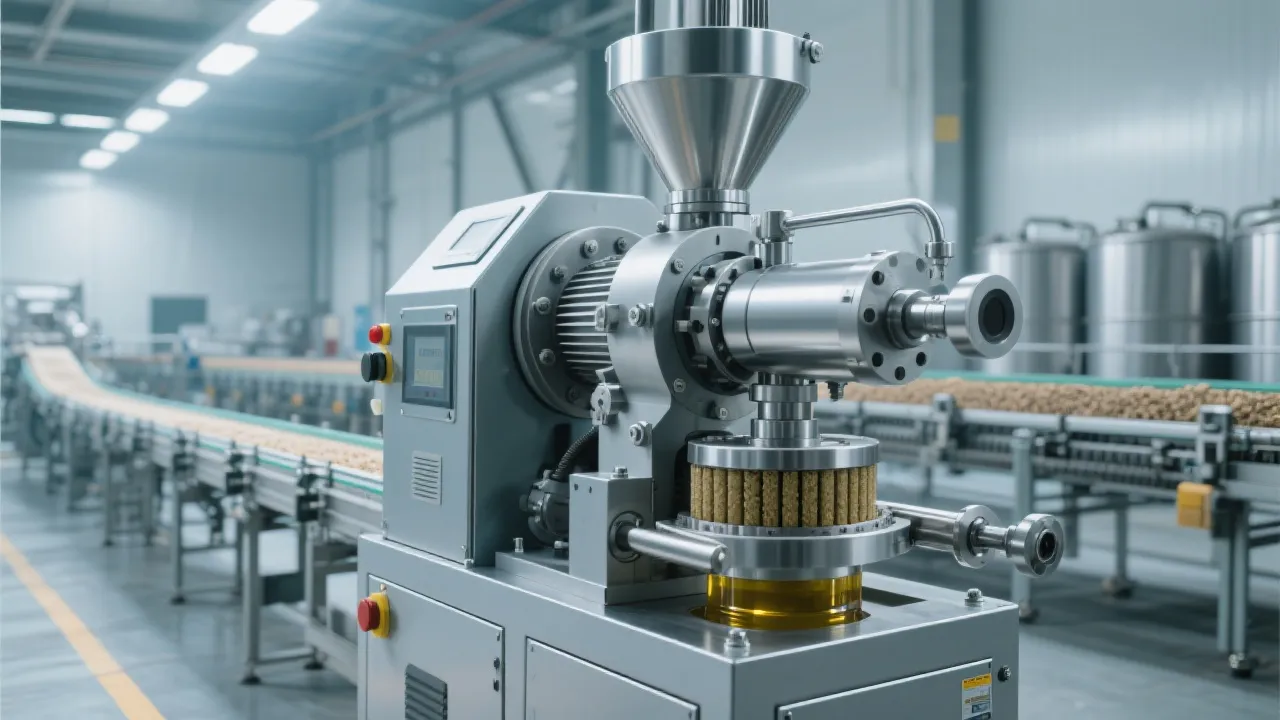
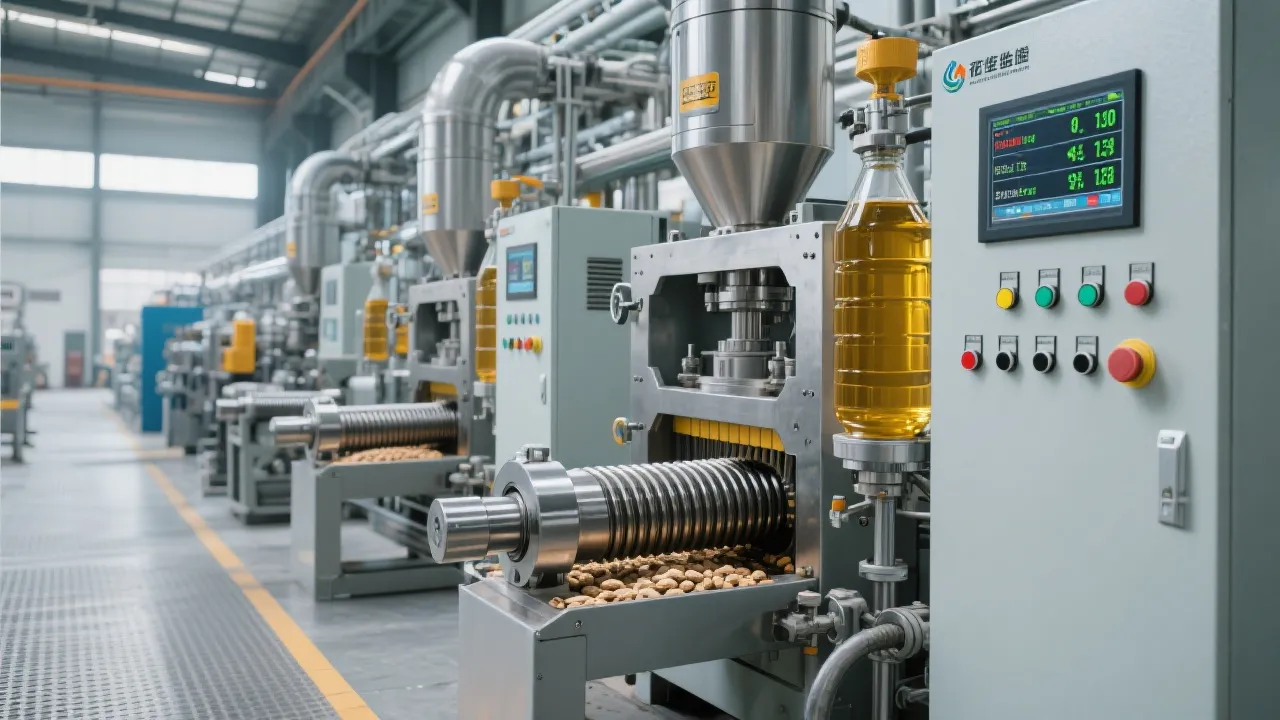
The intelligent control system for peanut oil presses is designed with a comprehensive architecture. Its core function modules include automated process control, real - time data monitoring, fault diagnosis, and remote maintenance.
This module streamlines the entire peanut oil pressing process, from raw material input to oil output. By using advanced algorithms, it can precisely control parameters such as temperature, pressure, and processing time, reducing human error and ensuring consistent product quality. For example, it can adjust the pressing pressure within 0.1 MPa accuracy, optimizing the oil extraction process.
The system continuously monitors key data points, such as oil yield, energy consumption, and equipment operating status. This data is presented in real - time on a user - friendly dashboard, allowing you to make informed decisions promptly. For instance, if the energy consumption suddenly increases by more than 10%, the system will immediately alert you.
Equipped with advanced sensors and diagnostic algorithms, the system can quickly identify potential faults. It can detect issues like abnormal vibrations or temperature spikes, providing detailed fault reports and suggesting solutions, reducing the time to troubleshoot.
You can remotely access the system to perform maintenance tasks, such as software updates and parameter adjustments. This feature saves time and resources, especially for large - scale production facilities located in remote areas.
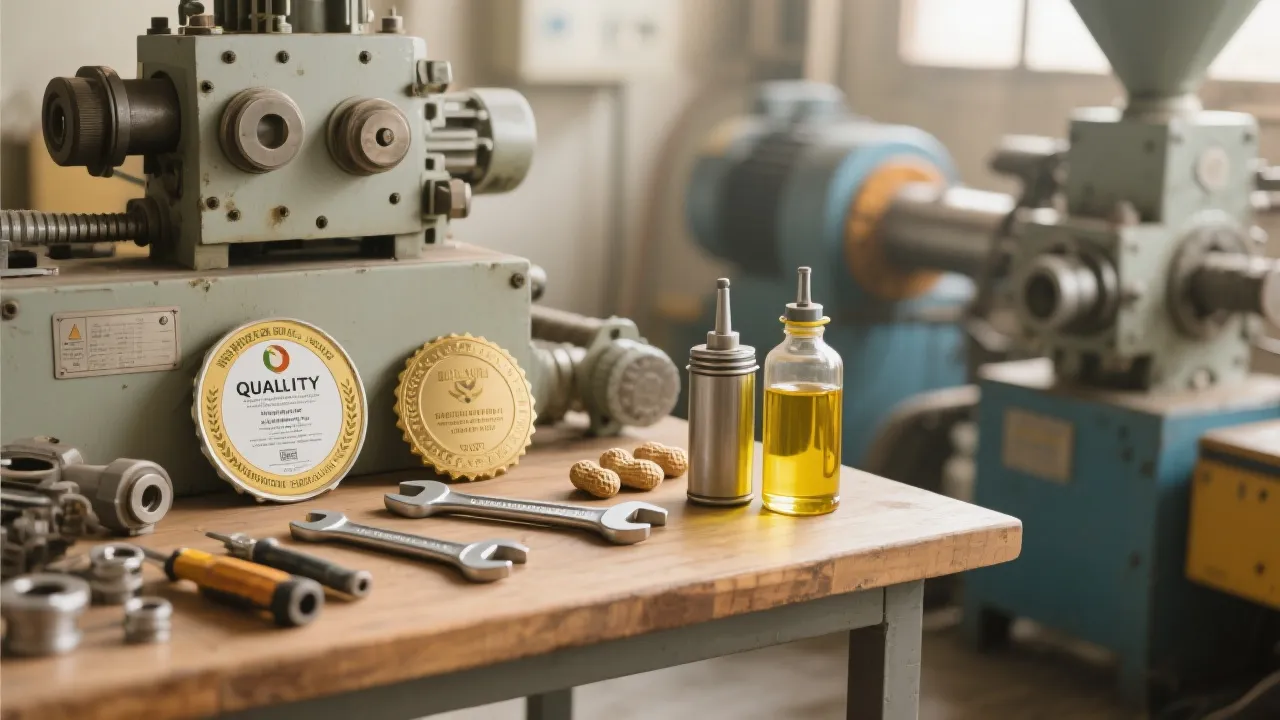
The intelligent control system strictly adheres to the ISO9001:2000 quality management standard. By implementing this standard, the system ensures high - quality production processes and product stability. It provides detailed documentation and traceability, which is crucial for meeting international quality requirements and enhancing customer trust.
In Africa and Southeast Asia, where the climate is often hot and humid, the intelligent control system has demonstrated excellent adaptability. In Nigeria, a large - scale peanut oil production plant installed the system. After implementation, the equipment downtime was reduced from 7 days to 2 days per year, and the oil yield increased by about 5%. In Indonesia, the system effectively coped with the country's high - humidity environment, ensuring stable production and reducing energy consumption by 20%.
When operating the intelligent control system, you should pay attention to setting appropriate alarm thresholds. For example, set the temperature alarm threshold at around 80 - 90°C for the pressing chamber. Also, make sure to regularly update the system software and perform remote maintenance checks to keep the equipment in optimal condition.
Compared with traditional equipment, the intelligent system significantly reduces the need for personnel. A production line that originally required 10 - 12 workers can now be operated with only 3 - 5 workers. Energy consumption is reduced by up to 30%, and the oil yield is increased by 5 - 8%, resulting in substantial cost savings and increased revenue.
We encourage you to share your experiences and questions about using the intelligent control system for peanut oil presses in the comments section below. Your insights can help others in the industry make better decisions.
Ready to take your peanut oil production to the next level? Learn more about intelligent control system configuration solutions.
 230
|
230
|
 intelligent control system
peanut oil pressing machine
automated process control
ISO9001 quality management
production stability
35
|
Peanut oil press selection
Energy - efficient peanut oil press maintenance
High - efficiency press technical parameters
Agricultural cooperative oil - making equipment
Intelligent energy - saving peanut oil press
476
|
Peanut oil press intelligent control
Low - energy consumption pressing equipment
Automated production control
ISO9001 quality certification
Southeast Asian market peanut oil equipment
42
|
peanut oil press energy efficiency
small scale oil mill upgrades
intelligent oil pressing technology
oil extraction rate improvement
agricultural cooperative machinery
152
|
energy-efficient peanut oil press
agricultural cooperative sustainability
green compliance in oil processing
smart oil extraction technology
peanut oil production optimization
intelligent control system
peanut oil pressing machine
automated process control
ISO9001 quality management
production stability
35
|
Peanut oil press selection
Energy - efficient peanut oil press maintenance
High - efficiency press technical parameters
Agricultural cooperative oil - making equipment
Intelligent energy - saving peanut oil press
476
|
Peanut oil press intelligent control
Low - energy consumption pressing equipment
Automated production control
ISO9001 quality certification
Southeast Asian market peanut oil equipment
42
|
peanut oil press energy efficiency
small scale oil mill upgrades
intelligent oil pressing technology
oil extraction rate improvement
agricultural cooperative machinery
152
|
energy-efficient peanut oil press
agricultural cooperative sustainability
green compliance in oil processing
smart oil extraction technology
peanut oil production optimization











.jpg?x-oss-process=image/resize,m_fill,h_800,w_800/format,webp)


