
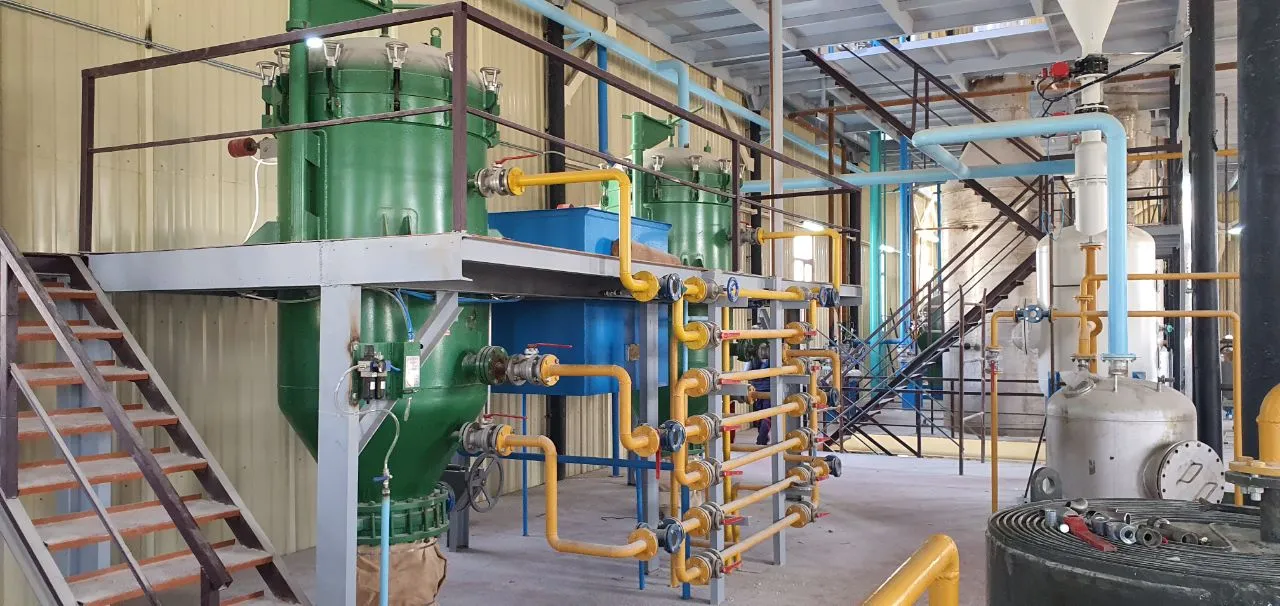
In today's competitive edible oil industry, large-scale processing plants face increasing pressure to optimize production efficiency while maintaining product quality. For peanut oil manufacturers, even minor improvements in extraction processes can translate to significant cost savings and market advantages. This is where real-time monitoring systems have emerged as game-changing technology, providing unprecedented visibility into the entire extraction cycle.
Modern monitoring systems integrate advanced sensors, data acquisition modules, and intelligent analytics to create a comprehensive oversight platform. These systems typically collect over 50 different process parameters simultaneously, including temperature differentials, pressure variations, motor load, and material flow rates.
Key Components of an Effective Monitoring System:
This technological infrastructure enables plant managers to move from reactive to proactive decision-making, identifying potential issues before they escalate into production disruptions.
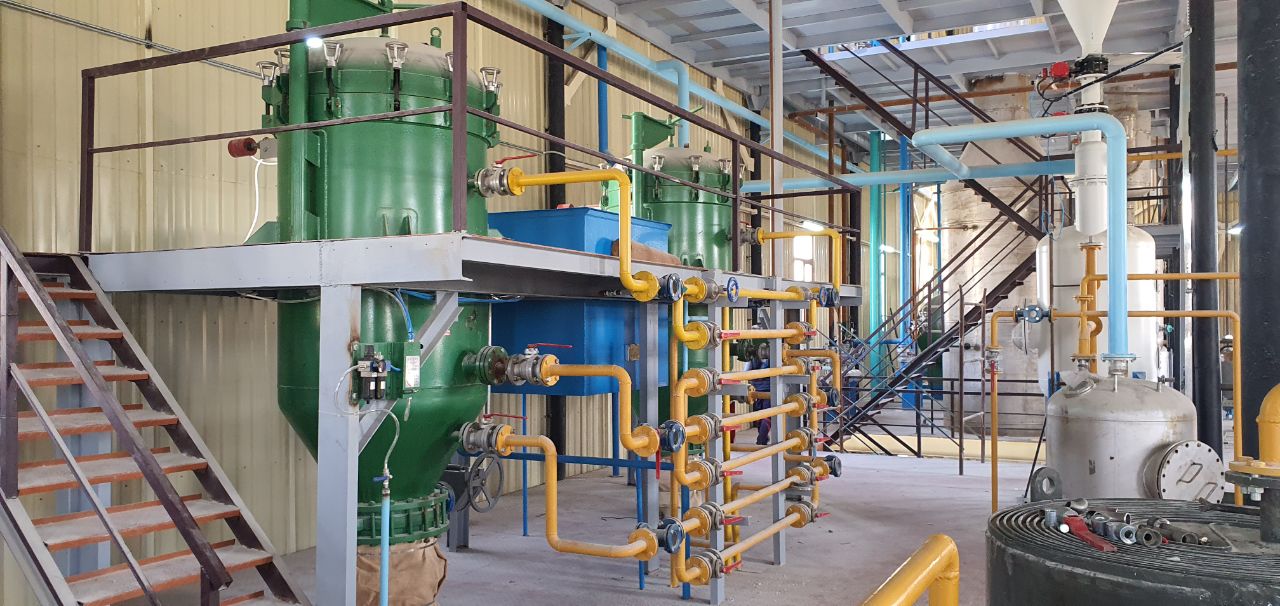
Implementation of real-time monitoring systems has delivered measurable improvements across multiple production metrics. A recent implementation at a 500-ton-per-day peanut oil facility demonstrated the following results within six months:
| Performance Metric | Improvement |
|---|---|
| Equipment Downtime | Reduced by 37% |
| Energy Consumption | Decreased by 18.5% |
| Extraction Efficiency | Increased by 4.2% |
| Quality Consistency | Improved by 23% |
| Maintenance Costs | Reduced by 29% |
"The transition to real-time monitoring transformed our operations," noted a production manager at a leading Asian peanut oil processor. "We've moved from scheduled maintenance to condition-based maintenance, significantly reducing unexpected breakdowns while optimizing our energy usage."
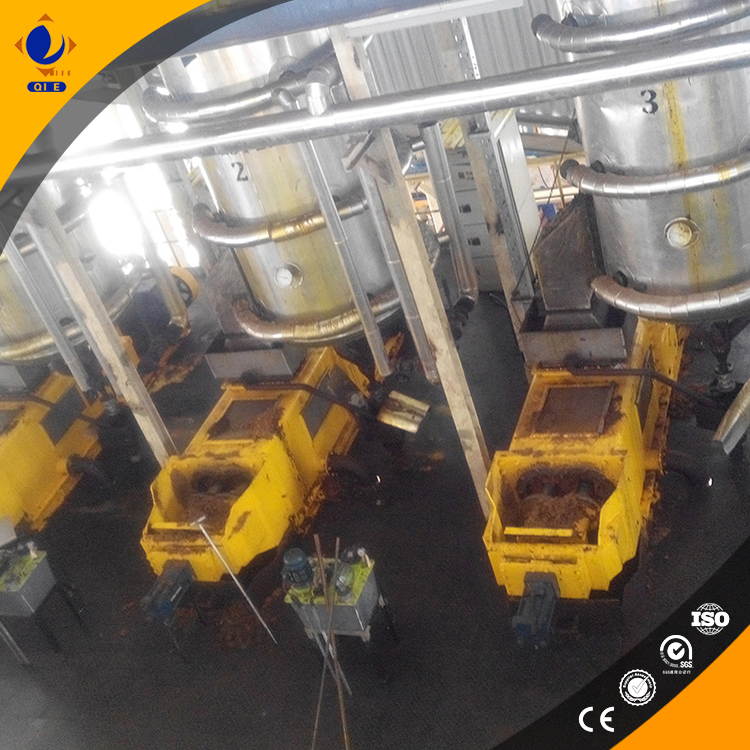
The true power of real-time monitoring lies in its ability to turn raw data into actionable insights. By continuously analyzing process variables, operators can make precise adjustments to optimize extraction efficiency:
Critical Process Parameters for Optimization:
These adjustments, guided by real-time data, ensure that the extraction process operates within optimal parameters, adapting to variations in raw material quality and environmental conditions.
One of the most valuable applications of real-time monitoring is in predictive maintenance. By analyzing vibration patterns, temperature trends, and performance degradation, the system can identify potential equipment failures days or even weeks before they occur.
A typical fault diagnostic system can detect early signs of common issues such as bearing wear, gear misalignment, and hydraulic system leaks. This capability has been shown to reduce maintenance costs by an average of 25-30% while extending equipment lifespan by 15-20%.
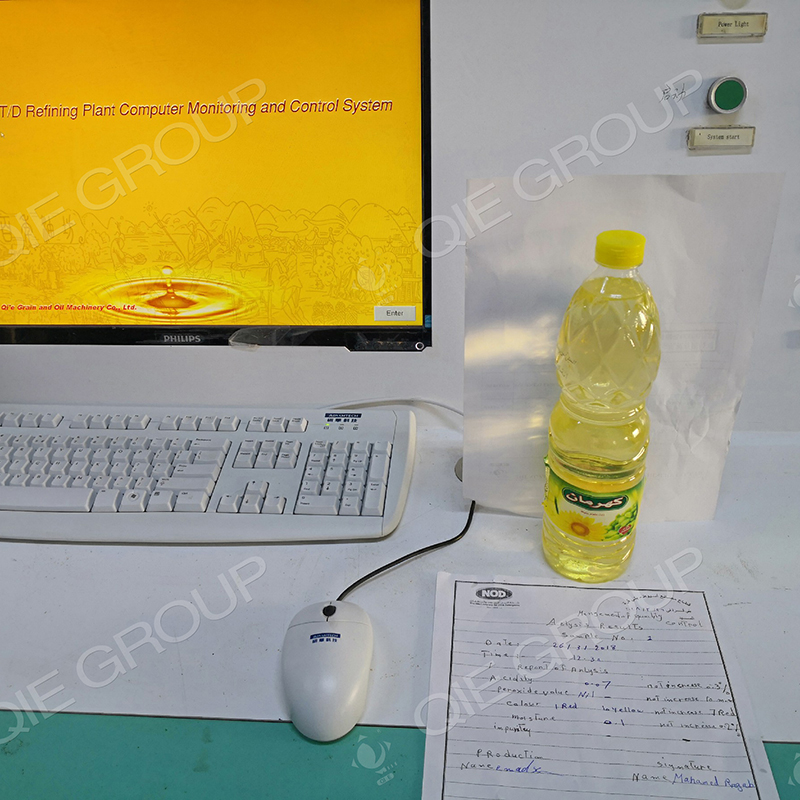
When considering the implementation of a real-time monitoring system, plant managers should evaluate several key factors, including system scalability, integration with existing infrastructure, and user training requirements. A phased implementation approach often yields the best results, starting with critical production lines before expanding to the entire facility.
Leading providers like 企鹅集团 (Penguin Group) offer turnkey solutions tailored to the specific needs of oil processing facilities, combining hardware installation, software configuration, and operator training to ensure successful adoption.
Discover how 企鹅集团's (Penguin Group) real-time monitoring solutions can reduce costs, improve efficiency, and enhance product quality in your facility.
Schedule a Free ConsultationAs the edible oil industry continues to evolve, the adoption of real-time monitoring technology is rapidly becoming a competitive necessity rather than an option. By providing unprecedented visibility into production processes, these systems empower manufacturers to make data-driven decisions that optimize efficiency, reduce costs, and maintain the highest product quality standards.
 66
|
66
|
 peanut oil press machine selection
energy-saving oil press maintenance
oil press technical specifications
green intelligent oil extraction equipment
small and medium oil processing equipment
204
|
Intelligent control system
Energy - saving peanut oil equipment
Full - automatic peanut oil production line
Cold - pressing and hot - pressing technologies
Peanut oil production efficiency
332
|
peanut oil press energy saving
small oil mill equipment upgrade
energy-efficient oil press
oil mill energy reduction 30%
intelligent press control
124
|
Peanut oil press selection
Energy - saving press maintenance
Press technical parameters
Peanut oil press maintenance guide
Low - energy oil extraction equipment
315
|
energy efficient peanut oil refiner
peanut oil refining machine
edible oil export technology
smart oil processing equipment
green food manufacturing
peanut oil press machine selection
energy-saving oil press maintenance
oil press technical specifications
green intelligent oil extraction equipment
small and medium oil processing equipment
204
|
Intelligent control system
Energy - saving peanut oil equipment
Full - automatic peanut oil production line
Cold - pressing and hot - pressing technologies
Peanut oil production efficiency
332
|
peanut oil press energy saving
small oil mill equipment upgrade
energy-efficient oil press
oil mill energy reduction 30%
intelligent press control
124
|
Peanut oil press selection
Energy - saving press maintenance
Press technical parameters
Peanut oil press maintenance guide
Low - energy oil extraction equipment
315
|
energy efficient peanut oil refiner
peanut oil refining machine
edible oil export technology
smart oil processing equipment
green food manufacturing










.jpg?x-oss-process=image/resize,m_fill,h_800,w_800/format,webp)
.jpg?x-oss-process=image/resize,m_fill,h_800,w_800/format,webp)


