

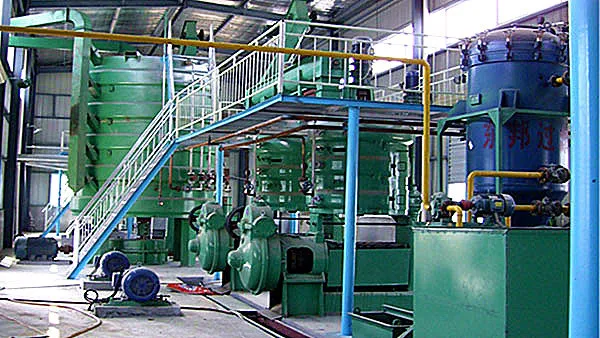
For peanut oil producers in Africa, Southeast Asia, and beyond, scaling operations while maintaining consistent quality and energy efficiency is no small feat. Traditional oil presses often suffer from high energy consumption (up to 15% more than optimized systems), manual oversight bottlenecks, and poor adaptability to extreme climates — leading to inconsistent yields and frequent downtime.
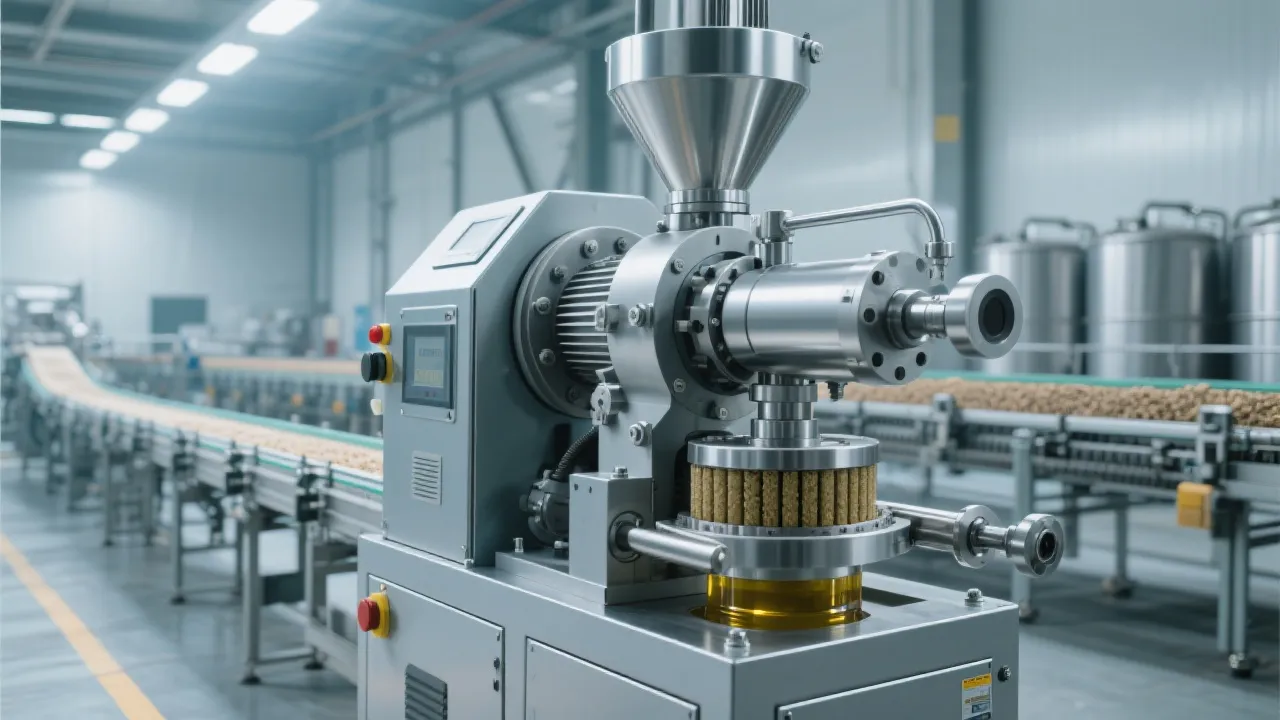
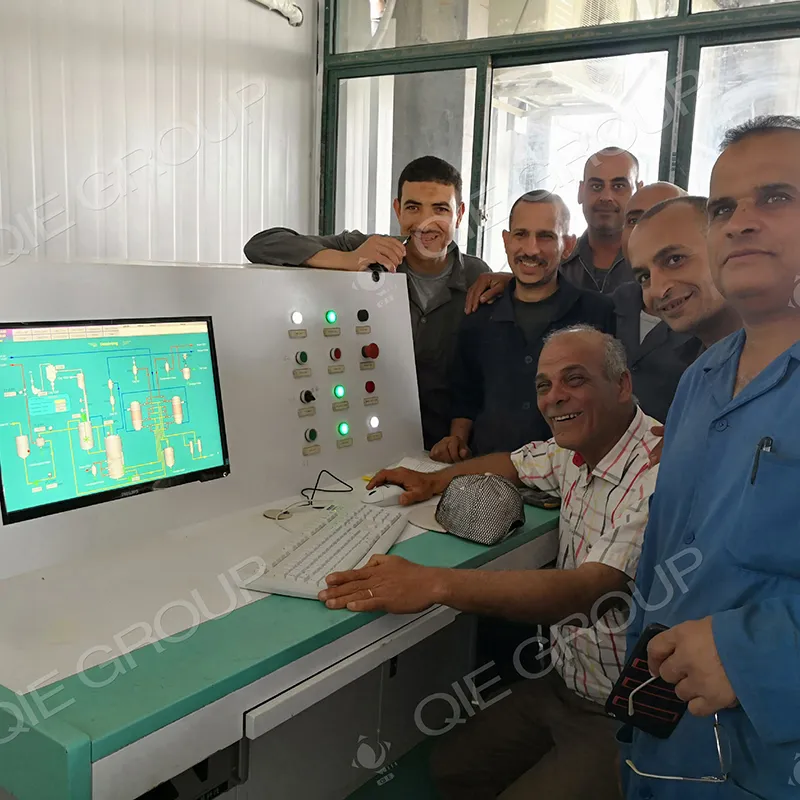
Modern intelligent control systems for large-scale peanut oil presses — especially those handling 2000 tons per hour — integrate real-time monitoring, predictive diagnostics, and remote maintenance capabilities. These aren’t just upgrades; they’re operational transformations that boost output stability (achieving 98–100% oil extraction rates) and reduce energy use by over 30%, according to field tests conducted across Nigeria, Vietnam, and Indonesia.
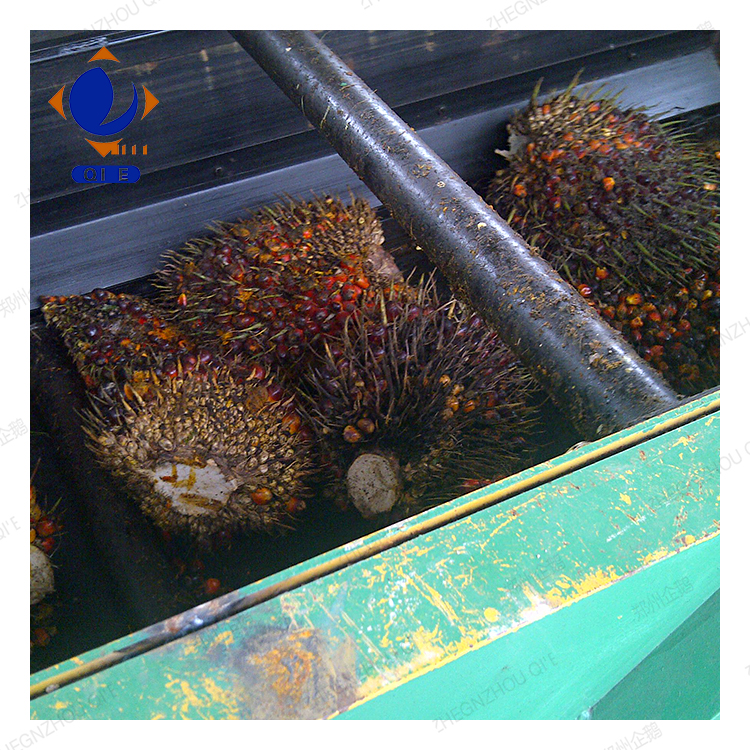

These features align directly with ISO 9001:2000 standards — ensuring traceable processes, documented performance metrics, and repeatable outcomes. For plant managers and engineers, this means not only fewer production disruptions but also stronger compliance readiness for international buyers who demand certified quality.
In markets where electricity is unreliable or labor costs are rising, smart controls provide a competitive edge. One cooperative in Kenya reported a 28% drop in energy costs and zero unplanned shutdowns during peak season after deploying the system. Another mill in Thailand saw a 99.2% consistency in oil clarity — crucial for export-grade certification.
Key implementation tips? Set dynamic alarm thresholds based on historical data (not fixed values), and train operators to interpret alerts as proactive signals — not just warnings. This shifts your team from reactive to strategic.
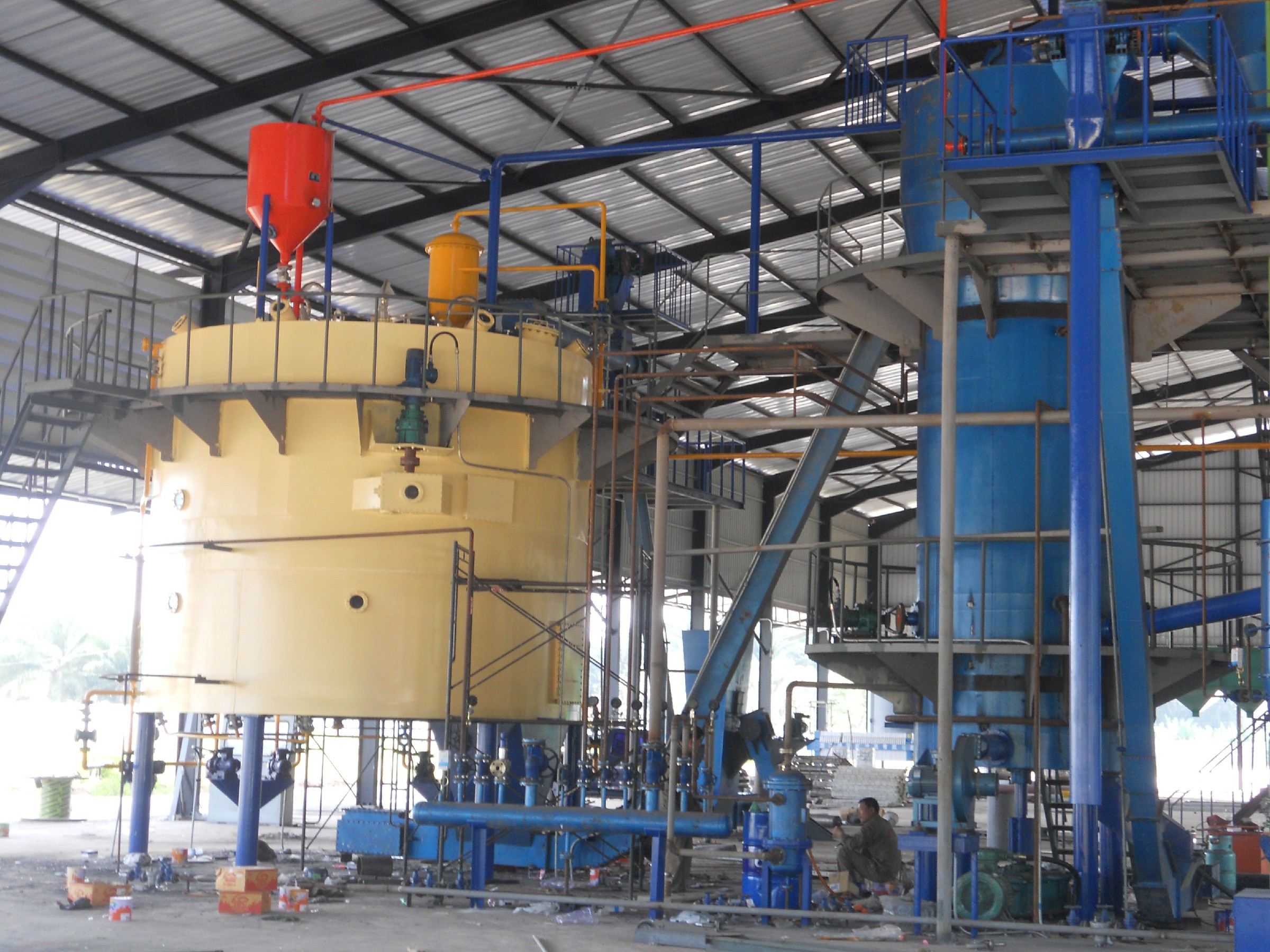
Whether you're managing a family-run mill or a regional processing hub, the right control system turns complexity into clarity — and inefficiency into profit.
 299
|
299
|
 energy-saving oil press machine
peanut oil press maintenance
oil press troubleshooting
small to medium oil plant equipment
oil press technical specifications
270
|
intelligent control system
peanut oil press
automated process control
remote maintenance
stable oil yield
458
|
energy-saving peanut oil press
low-energy oil extraction equipment
peanut oil pressing technology
agricultural cooperative oil machinery
industrial oil press retrofitting
407
|
Energy-efficient peanut oil press
Oil yield optimization
Agricultural cooperative equipment selection
Intelligent control system
Press energy consumption reduction
382
|
Peanut oil press selection
Energy - saving press maintenance
Press technical parameters
International standard oil - making equipment
High - efficiency peanut oil production equipment
energy-saving oil press machine
peanut oil press maintenance
oil press troubleshooting
small to medium oil plant equipment
oil press technical specifications
270
|
intelligent control system
peanut oil press
automated process control
remote maintenance
stable oil yield
458
|
energy-saving peanut oil press
low-energy oil extraction equipment
peanut oil pressing technology
agricultural cooperative oil machinery
industrial oil press retrofitting
407
|
Energy-efficient peanut oil press
Oil yield optimization
Agricultural cooperative equipment selection
Intelligent control system
Press energy consumption reduction
382
|
Peanut oil press selection
Energy - saving press maintenance
Press technical parameters
International standard oil - making equipment
High - efficiency peanut oil production equipment








.jpg?x-oss-process=image/resize,m_fill,h_800,w_800/format,webp)

.jpg?x-oss-process=image/resize,m_fill,h_800,w_800/format,webp)


