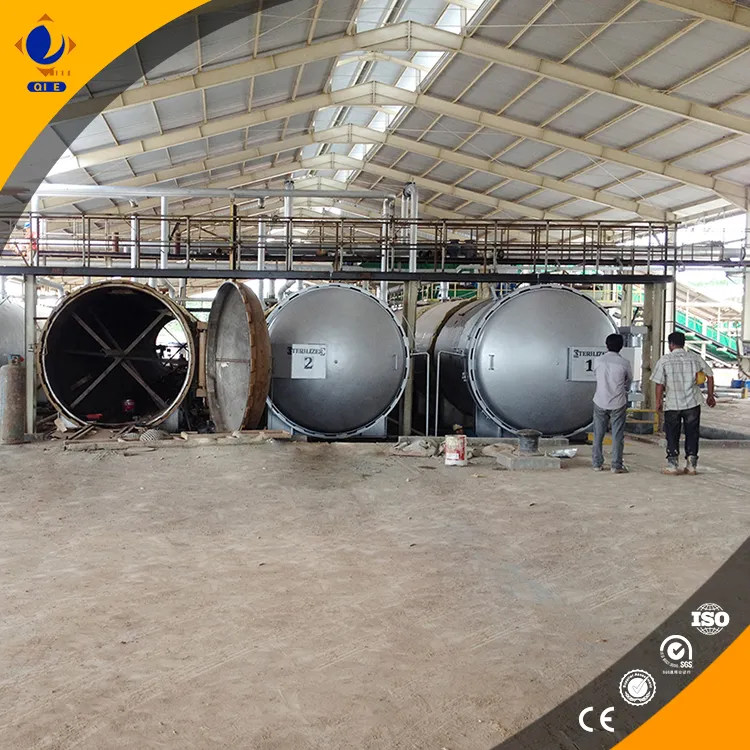
Operating a peanut oil press in high-temperature, high-humidity environments—like those found across West and East Africa—isn’t just challenging—it’s a daily test of reliability. Traditional systems often fail under such conditions: voltage fluctuations cause motor burnouts, humidity leads to sensor corrosion, and manual inspections mean costly downtime. But here's the good news: modern intelligent control systems are changing the game.
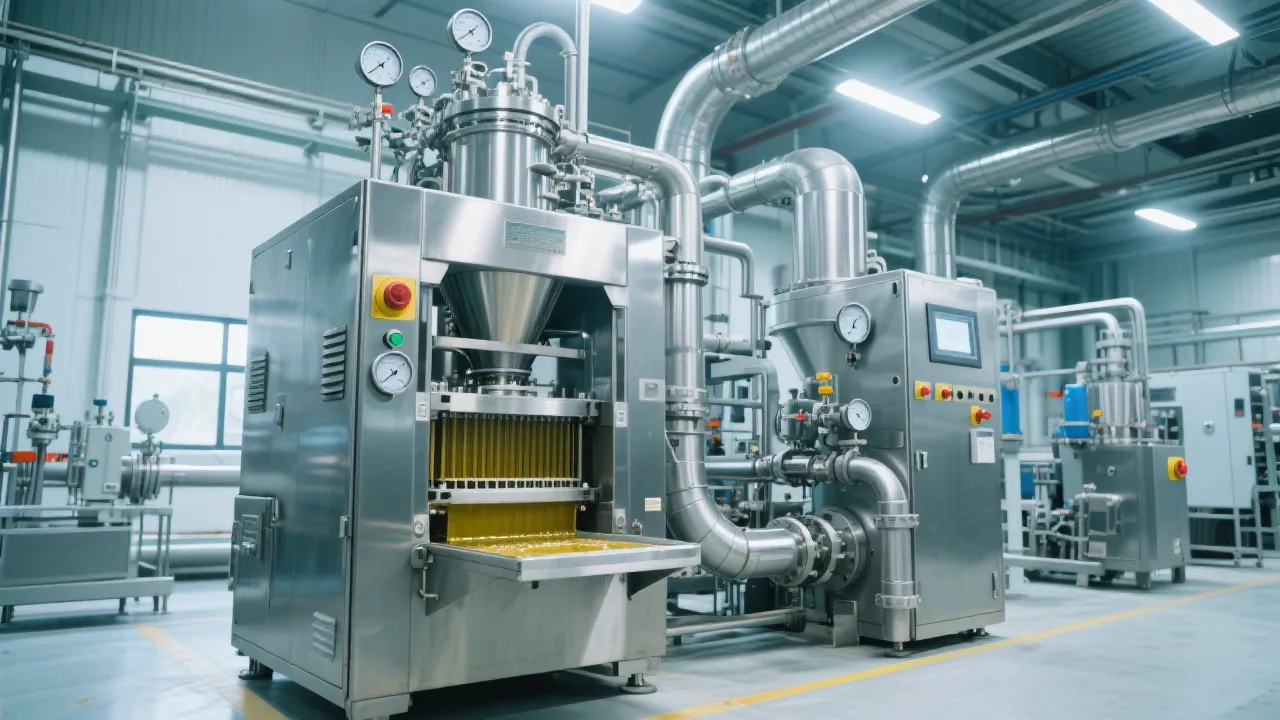
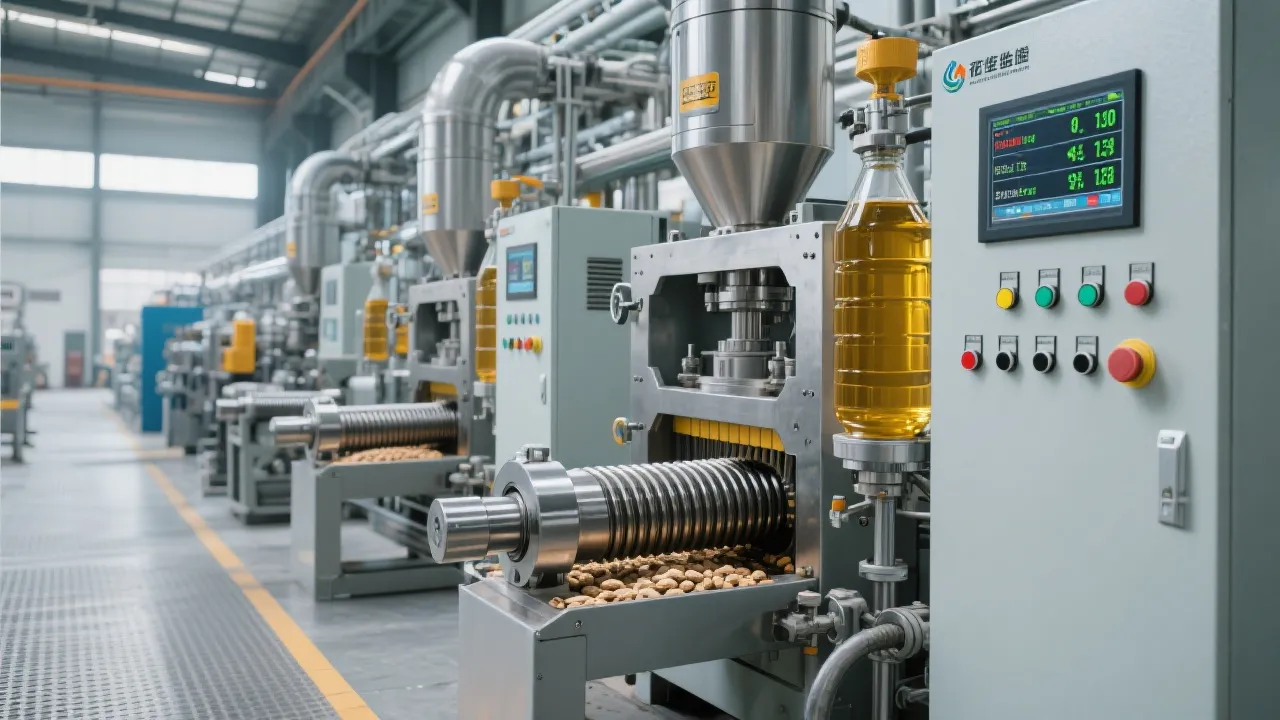
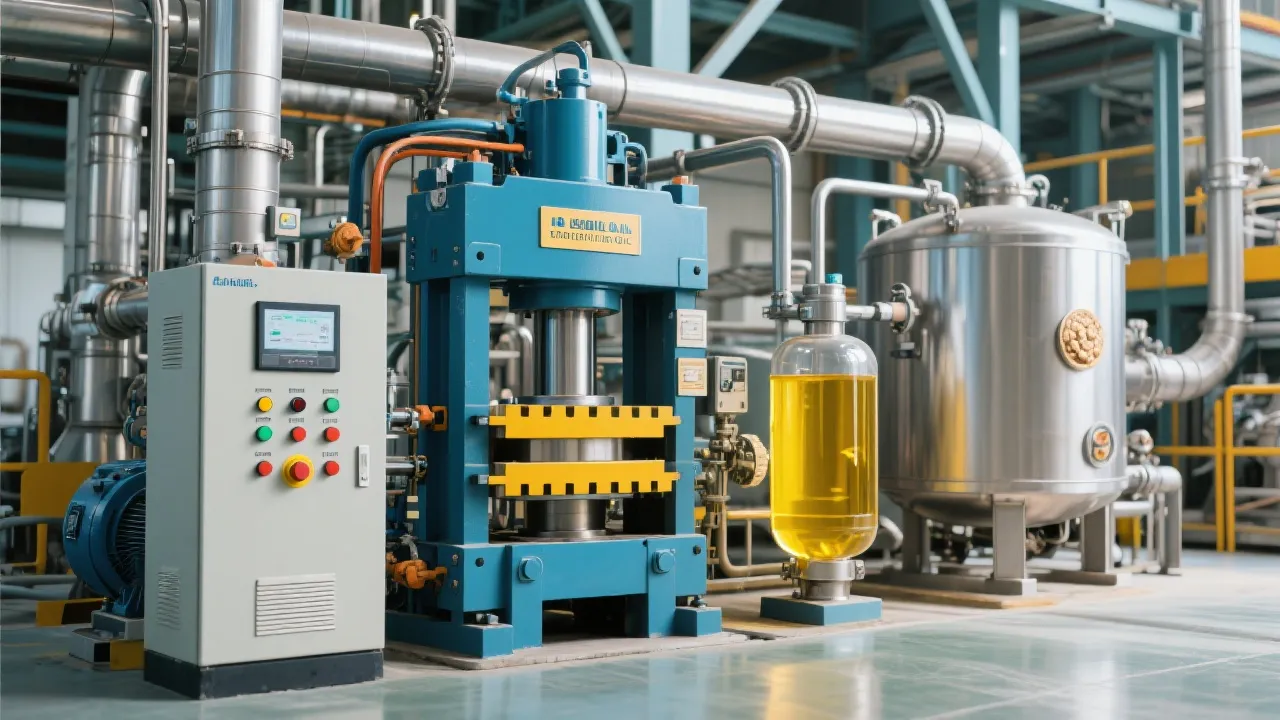
Our latest peanut oil press model, designed specifically for emerging markets, integrates edge computing with real-time data analytics. With an average output of 2,000 tons per hour and consistent oil extraction rates between 98%–100%, it’s not just efficient—it’s resilient. Sensors monitor temperature, pressure, vibration, and electrical load every 30 seconds, feeding that data into a cloud-based dashboard accessible via mobile or desktop.
This means engineers can spot anomalies before they become failures. For example, if a bearing starts showing abnormal heat signatures, the system triggers an alert—not just a red light, but a prioritized notification with actionable steps: “Check lubrication level,” “Reduce load by 10%,” or even “Schedule maintenance within 48 hours.”

The system uses AI-driven thresholds tailored to local climate patterns. In Nigeria, where humidity averages 85%, we set humidity alerts at 75% instead of the default 60%. Why? Because false alarms waste time—and trust. We’ve seen clients reduce unnecessary service calls by up to 40% after fine-tuning these parameters.
When power dips—a common issue in rural areas—the system automatically enters low-power mode and resumes operation once stable voltage returns. No more lost batches or manual restarts. That’s not just convenience—it’s production continuity.
Pro Tip: Set custom alarm thresholds based on your facility’s historical performance. Avoid over-reliance on factory defaults—they’re generic, not personalized.
For agricultural cooperatives and small-to-mid-sized oil mills in Africa and Southeast Asia, this isn’t just about reducing downtime—it’s about building confidence. When you know your machine is watching itself, you can focus on what really matters: growing your business, not fixing machines.
Ready to make your peanut oil production smarter, safer, and more sustainable?
 342
|
342
|
 Peanut oil press energy-saving
Intelligent control system
Agricultural cooperative oil production equipment
Energy-saving oil press operating cost
Green oil production solutions
83
|
Peanut oil press energy - saving technology
Intelligent temperature control system
Press energy consumption optimization
Agricultural cooperative oil - making equipment
Food processing energy - saving solutions
356
|
sunflower seed oil extractor maintenance
intelligent pressure oil extraction equipment
sunflower oil machinery fault diagnosis
grain and oil processing equipment maintenance schedule
sunflower seed oil press operating guide
237
|
Intelligent control system
Peanut oil press
ISO9001:2000
Quality traceability
Stable oil yield
198
|
peanut oil press automation
smart oil extraction control
low energy oil pressing machine
African oil processing solutions
Southeast Asian food processing automation
Peanut oil press energy-saving
Intelligent control system
Agricultural cooperative oil production equipment
Energy-saving oil press operating cost
Green oil production solutions
83
|
Peanut oil press energy - saving technology
Intelligent temperature control system
Press energy consumption optimization
Agricultural cooperative oil - making equipment
Food processing energy - saving solutions
356
|
sunflower seed oil extractor maintenance
intelligent pressure oil extraction equipment
sunflower oil machinery fault diagnosis
grain and oil processing equipment maintenance schedule
sunflower seed oil press operating guide
237
|
Intelligent control system
Peanut oil press
ISO9001:2000
Quality traceability
Stable oil yield
198
|
peanut oil press automation
smart oil extraction control
low energy oil pressing machine
African oil processing solutions
Southeast Asian food processing automation