
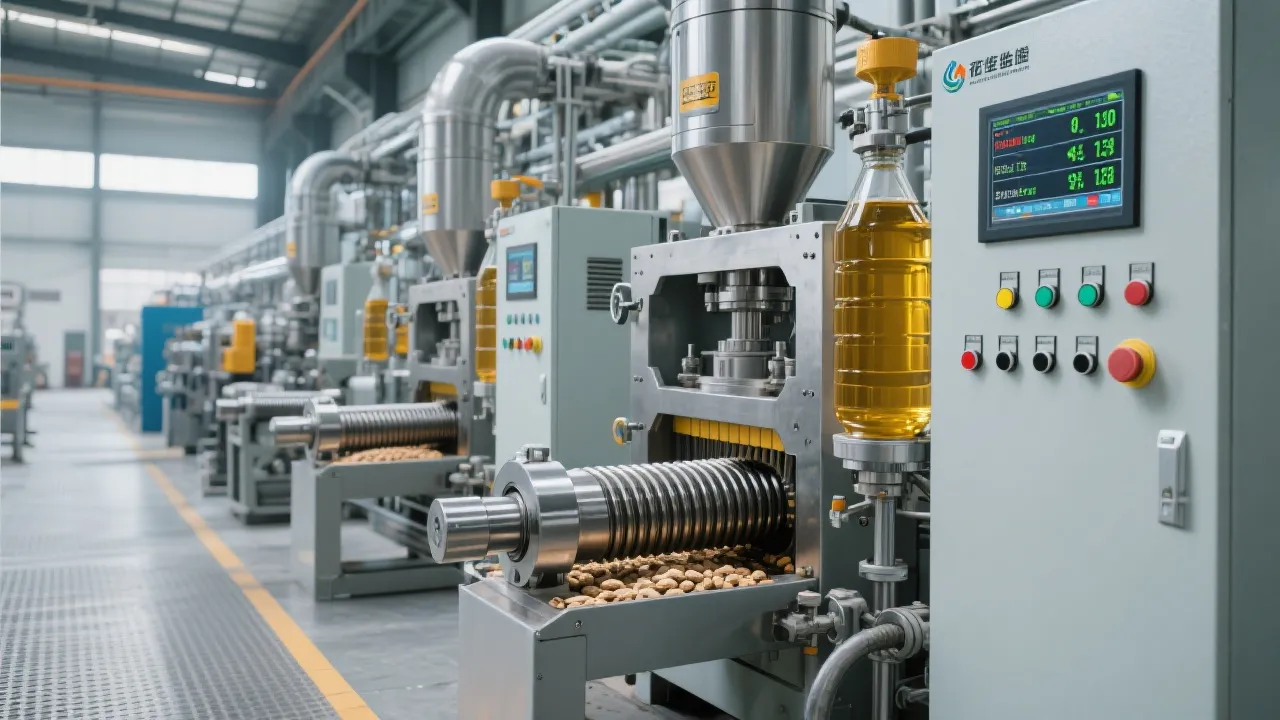
You're not just buying a machine—you’re investing in your operation’s future. Whether you run an agricultural cooperative or a small-scale oil mill, choosing the right peanut oil press isn’t about price alone—it’s about performance, durability, and long-term ROI.
When comparing options, focus on these real-world specs:
If you're serving local farmers or processing bulk peanuts for export, here’s how to match your needs:
| Use Case | Recommended Model | Why It Fits |
|---|---|---|
| Agricultural Co-op (5–10 tons/day) | Model P-2000 | Compact design, easy maintenance, handles variable moisture content in raw peanuts. |
| Small Industrial Mill (10–20 tons/day) | Model P-5000 Pro | Built-in automation, higher throughput, ideal for consistent production cycles. |
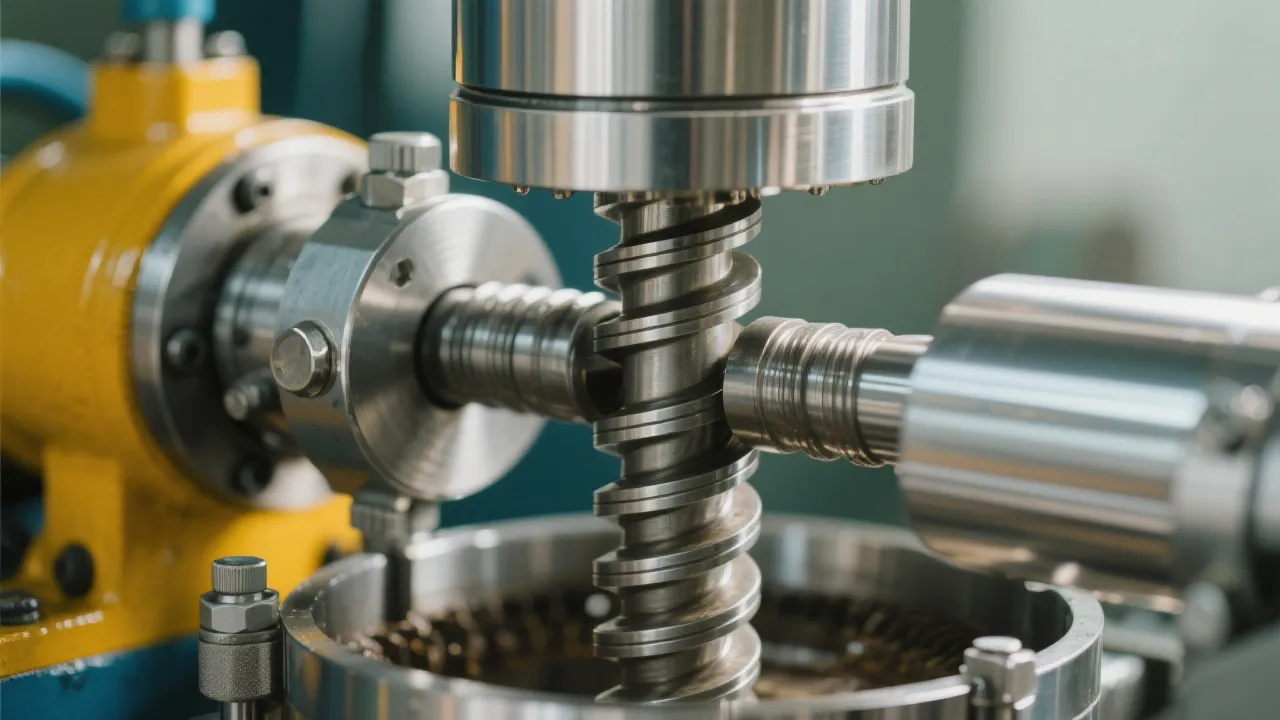
Our machines are engineered for harsh environments—from dusty African farms to humid Southeast Asian climates. Features like stainless steel components, sealed bearings, and IP54-rated motors ensure reliable operation even when temperatures swing from 25°C to 45°C (77°F–113°F).
Simple routines make a big difference:
Don’t wait for breakdowns—here’s what to watch for:
Low Oil Output? Likely due to clogged filters or incorrect feed rate. Clean filters and adjust input speed to 30–40 RPM for best results.
Motor Overheating? Often caused by overloaded belts or poor ventilation. Ensure proper airflow around motor housing and check belt tension monthly.
Pro Tip: Keep a logbook! Tracking maintenance dates and issues helps predict failures before they happen—and builds trust with your team and clients.
We don’t just sell machines—we build partnerships. Every unit comes with:
Get a free, personalized equipment recommendation based on your current setup and goals.
Download Your Free Equipment Selection Checklist → 372
|
372
|
 peanut oil press machine
energy-saving oil press
oil extraction efficiency
peanut oil press maintenance
industrial oil press selection
187
|
peanut oil press energy efficiency
smart control system for oil presses
oil extraction energy optimization
green oil processing equipment
automated press temperature control
35
|
Peanut oil press selection
Energy - efficient peanut oil press maintenance
High - efficiency press technical parameters
Agricultural cooperative oil - making equipment
Intelligent energy - saving peanut oil press
83
|
Peanut oil press energy - saving technology
Intelligent temperature control system
Press energy consumption optimization
Agricultural cooperative oil - making equipment
Food processing energy - saving solutions
195
|
peanut oil press machine energy efficiency
low energy oil extraction equipment
export oil press machine
agricultural cooperative oil processing
energy-saving oil pressing technology
peanut oil press machine
energy-saving oil press
oil extraction efficiency
peanut oil press maintenance
industrial oil press selection
187
|
peanut oil press energy efficiency
smart control system for oil presses
oil extraction energy optimization
green oil processing equipment
automated press temperature control
35
|
Peanut oil press selection
Energy - efficient peanut oil press maintenance
High - efficiency press technical parameters
Agricultural cooperative oil - making equipment
Intelligent energy - saving peanut oil press
83
|
Peanut oil press energy - saving technology
Intelligent temperature control system
Press energy consumption optimization
Agricultural cooperative oil - making equipment
Food processing energy - saving solutions
195
|
peanut oil press machine energy efficiency
low energy oil extraction equipment
export oil press machine
agricultural cooperative oil processing
energy-saving oil pressing technology










.jpg?x-oss-process=image/resize,m_fill,h_800,w_800/format,webp)


