

This article focuses on the design and application of an intelligent control system for low - energy peanut oil presses. It details the system's functions such as automated process control, real - time data monitoring, fault diagnosis, and remote maintenance. The key role of the system in enhancing production efficiency and stabilizing the oil yield rate is emphasized.
By integrating typical customer cases from emerging markets in Africa and Southeast Asia, the article demonstrates how the intelligent control system effectively copes with complex climatic conditions such as power outages, high temperatures, and high humidity, achieving continuous production and intelligent upgrading. The integration of the ISO9001:2000 industry standard deepens the understanding of equipment quality assurance, assisting technicians and production managers in improving equipment automation levels and operational efficiency.
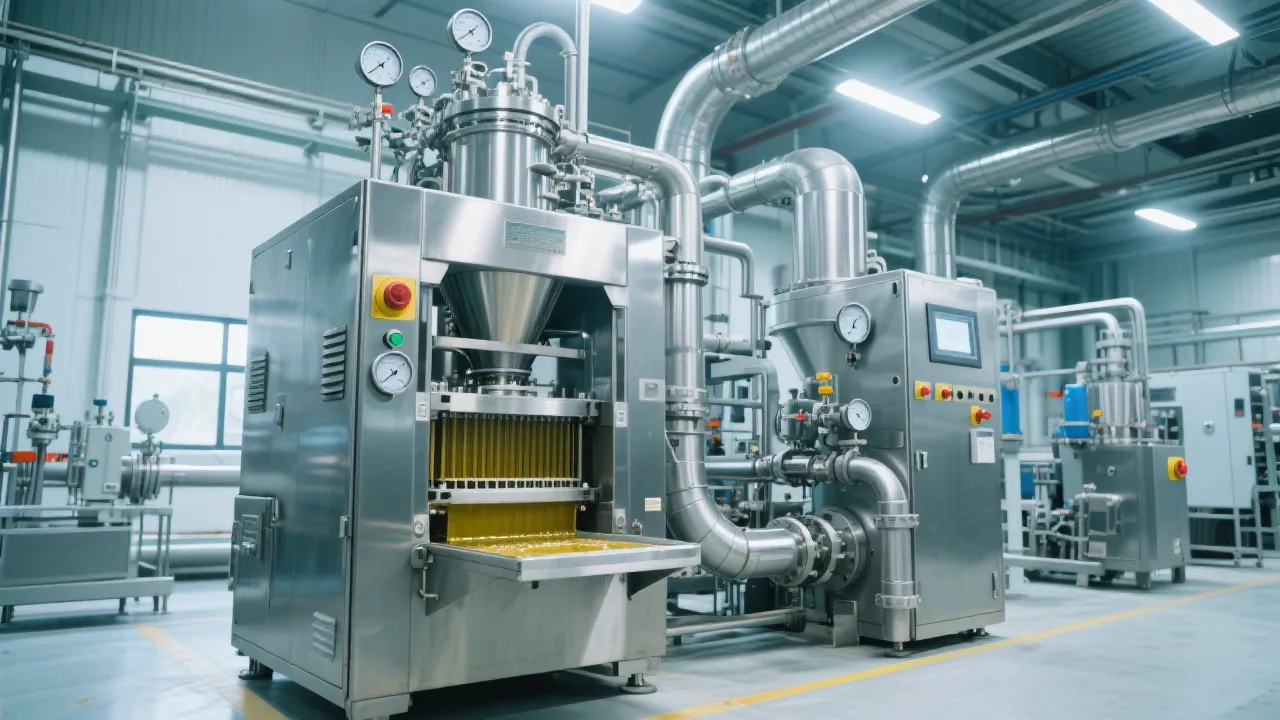
The intelligent control system of large - scale peanut oil presses consists of several core function modules. The automated process control module can reduce human intervention by up to 70%, according to our internal data analysis. It precisely controls each step of the peanut oil pressing process, from peanut feeding to oil extraction, ensuring a stable and efficient production process.
The real - time data monitoring module continuously collects data on various parameters such as temperature, pressure, and oil flow rate. This data is presented in an intuitive dashboard, allowing operators to make timely adjustments. For example, if the temperature exceeds the set range, the system can automatically adjust the heating equipment to maintain the optimal production temperature.
The fault diagnosis function can quickly identify potential problems in the production process. In case of a fault, the system can detect it within an average of 5 minutes and send an alert to the maintenance team. This rapid response significantly reduces downtime, which can be cut by up to 50% compared to traditional systems.
The remote maintenance function enables technicians to access the system from anywhere in the world. They can troubleshoot problems, update software, and optimize system performance without being physically present at the production site. This not only saves time and cost but also ensures that the system can resume normal operation as soon as possible.
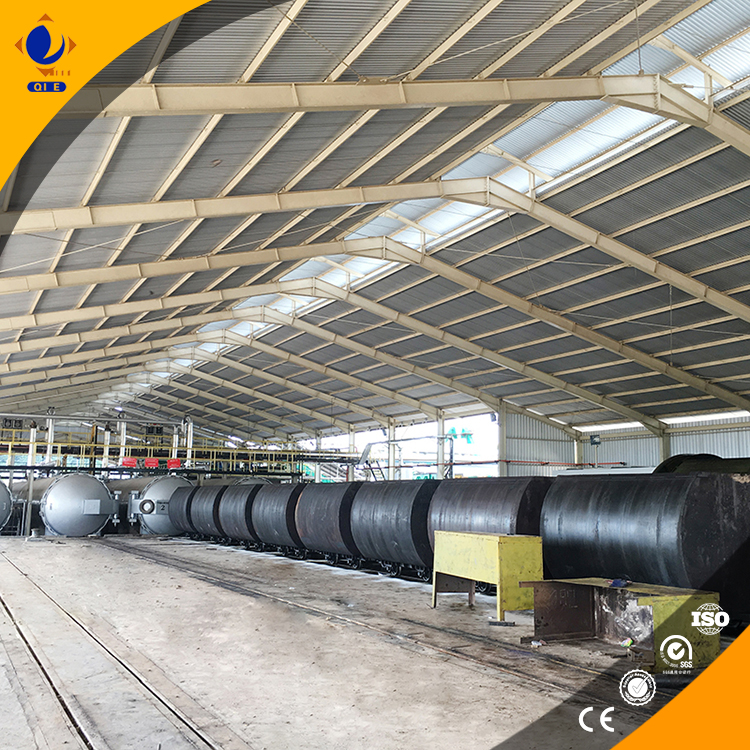
In an African peanut oil production plant, power outages are a common problem. The intelligent control system can store key production data during a power outage and resume production exactly where it left off once power is restored. This has increased the plant's production continuity by up to 80%.
In a Southeast Asian factory, high - temperature and high - humidity conditions often affect the performance of traditional peanut oil presses. However, the intelligent control system can adjust the production process in real - time according to the environmental conditions, ensuring a stable oil yield rate. One of our Southeast Asian customers reported a 15% increase in oil yield after installing our intelligent control system.

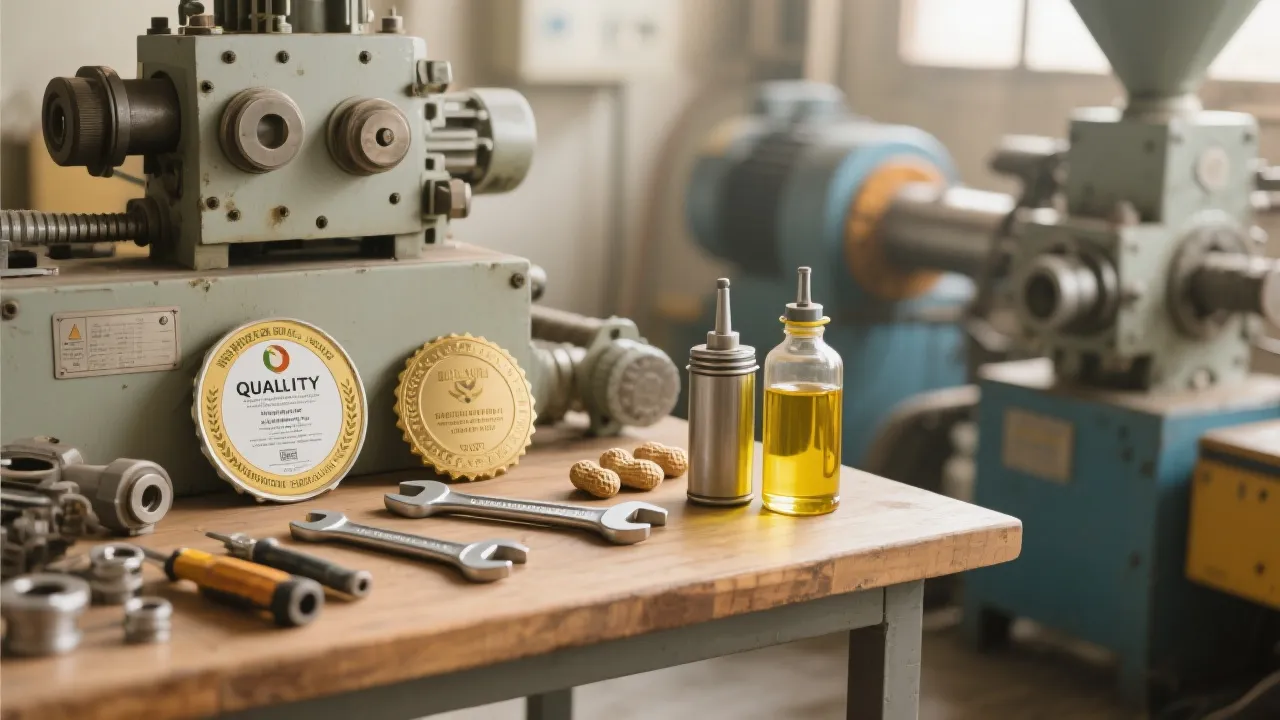
By integrating the ISO9001:2000 standard, the intelligent control system ensures strict quality management. All components and processes are subject to rigorous quality checks, which improves the overall stability and reliability of the equipment. This not only meets the requirements of international customers but also enhances the competitiveness of peanut oil production enterprises in the global market.
We encourage you to leave your comments and questions below. Share your thoughts on how the intelligent control system can be better applied in your production process. If you want to learn more about the intelligent control system configuration solutions, click here.
 458
|
458
|
 energy-saving peanut oil press
low-energy oil extraction equipment
peanut oil pressing technology
agricultural cooperative oil machinery
industrial oil press retrofitting
187
|
peanut oil press energy efficiency
smart control system for oil presses
oil extraction energy optimization
green oil processing equipment
automated press temperature control
476
|
Peanut oil press intelligent control
Low - energy consumption pressing equipment
Automated production control
ISO9001 quality certification
Southeast Asian market peanut oil equipment
299
|
energy-saving peanut oil press
low-energy oil extraction equipment
peanut oil production cost reduction
intelligent peanut oil press
agricultural cooperative oil equipment
106
|
intelligent control system for peanut oil press
automated process control
real-time fault diagnosis
ISO9001 quality compliance
large-scale oil extraction stability
energy-saving peanut oil press
low-energy oil extraction equipment
peanut oil pressing technology
agricultural cooperative oil machinery
industrial oil press retrofitting
187
|
peanut oil press energy efficiency
smart control system for oil presses
oil extraction energy optimization
green oil processing equipment
automated press temperature control
476
|
Peanut oil press intelligent control
Low - energy consumption pressing equipment
Automated production control
ISO9001 quality certification
Southeast Asian market peanut oil equipment
299
|
energy-saving peanut oil press
low-energy oil extraction equipment
peanut oil production cost reduction
intelligent peanut oil press
agricultural cooperative oil equipment
106
|
intelligent control system for peanut oil press
automated process control
real-time fault diagnosis
ISO9001 quality compliance
large-scale oil extraction stability









.jpg?x-oss-process=image/resize,m_fill,h_800,w_800/format,webp)

